

Activity books for preschoolers are a fun and engaging way to support early learning while keeping young children entertained. From tracing letters and learning numbers to coloring, puzzles, and sticker activities, the right activity book can help preschoolers develop important skills through play.
Many parents look for screen-free learning options that encourage creativity, concentration, and independent exploration. Activity books offer a simple way to introduce educational concepts while making learning enjoyable for children ages 3–5.
If you’re looking for more offline play ideas, be sure to check out our guide to screen free activities for kids ages 3–5. Combining hands-on activities with well-designed activity books can help create a balanced learning environment at home.
In this guide, we’ll explore some of the best activity books for preschoolers, their benefits, and how to choose the right one for your child’s age and interests.
If you’re looking for more offline play ideas, check out our guide on screen free activities for kids ages 3–5.
Table of Contents
Benefits of Activity Books for Preschoolers
Activity books do much more than keep children occupied. They provide valuable opportunities for learning, creativity, and skill development during the preschool years.
Develop Fine Motor Skills
Activities such as tracing, coloring, cutting, and sticker placement help strengthen the small muscles in a child’s hands and fingers. These skills are important for writing, drawing, and everyday tasks.
Encourage Independent Learning
Many activity books are designed so preschoolers can complete simple tasks with minimal assistance. This helps build confidence and encourages independent problem-solving.
Improve Focus and Concentration
Completing puzzles, mazes, and matching activities teaches children to pay attention and stay focused on a task until it is finished.
Support Early Academic Skills
Activity books often introduce foundational concepts such as letters, numbers, shapes, colors, and patterns. These early learning experiences can help prepare children for kindergarten.
Provide Screen-Free Entertainment
Parents looking to reduce screen time often find that activity books offer a practical alternative that keeps children engaged while promoting learning and creativity. Activity books also encourage children to work at their own pace, helping build confidence, persistence, and independent learning habits that support long-term academic success.
Parents can also review screen time recommendations from the American Academy of Pediatrics.
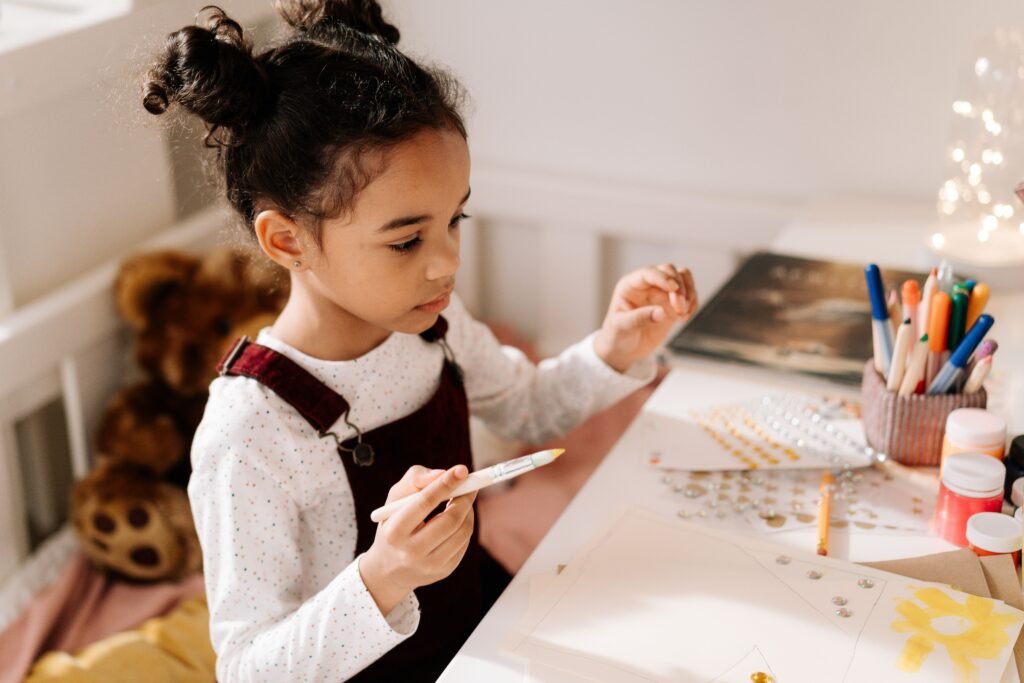
What to Look for in an Activity Book
Not all activity books are created equal. Choosing the right book can make a significant difference in how engaged a child remains.
When selecting activity books for preschoolers, consider the following:
Age Appropriateness
Choose books specifically designed for ages 3–5. Activities should be challenging enough to be interesting but not so difficult that they become frustrating.
Variety of Activities
Books that include tracing, coloring, matching, mazes, puzzles, and sticker activities often hold a child’s attention longer.
Durable Pages
Preschoolers can be enthusiastic learners. Thick pages and quality printing help books withstand frequent use.
Educational Value
Look for books that introduce letters, numbers, shapes, colors, and early problem-solving skills in a fun and engaging way.
Child’s Interests
Children are more likely to enjoy activity books that align with their interests, whether they love animals, vehicles, nature, dinosaurs, or princesses.
Reusable vs One-Time Use Books
Some activity books are designed for a single use, while others include reusable pages or wipe-clean activities that children can enjoy repeatedly. Reusable books can offer better long-term value, especially for preschoolers who enjoy practicing the same skills multiple times.
15 Best Activity Books for Preschoolers
The best activity books for preschoolers combine learning and fun while helping children develop important skills. Here are some popular types of activity books that can keep preschoolers engaged and learning.
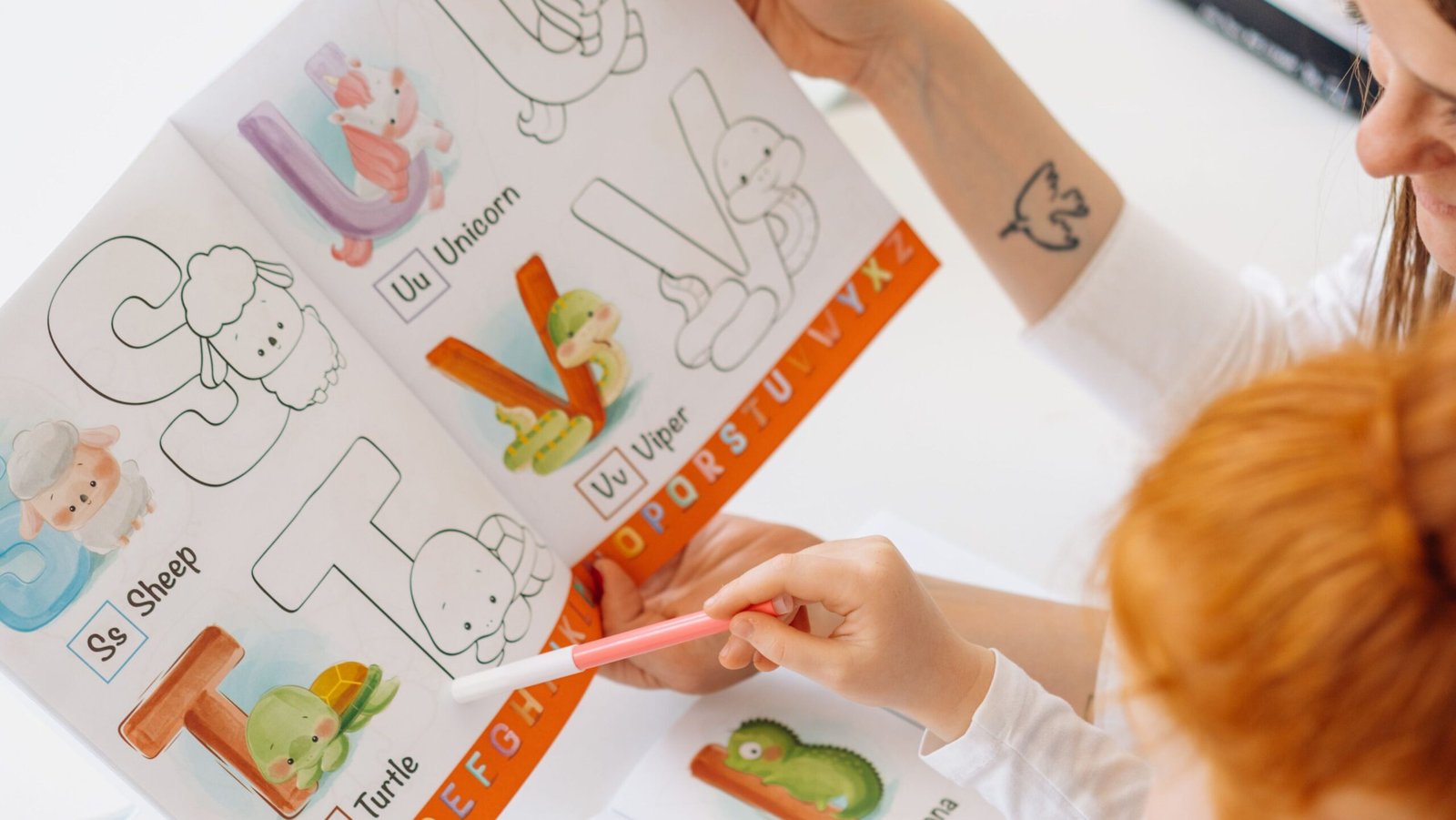
1. Alphabet Activity Books
Alphabet activity books introduce letter recognition, tracing, and simple phonics exercises. These books help children become familiar with the alphabet while building pre-writing skills.
2. Number Learning Books
Number activity books teach counting, number recognition, and basic math concepts through fun exercises, coloring pages, and matching activities.
3. Tracing Practice Books
Tracing books help preschoolers practice drawing lines, shapes, and letters. These activities strengthen hand-eye coordination and prepare children for writing.
4. Coloring Activity Books
Coloring books encourage creativity and help children improve fine motor skills. Many educational coloring books also introduce animals, shapes, letters, and everyday objects.
5. Dot Marker Activity Books
Dot marker books are popular among preschoolers because they combine creativity with skill development. Children use dot markers to complete pictures, patterns, and learning activities.
6. Sticker Activity Books
Sticker books improve hand coordination while providing hours of entertainment. Many include matching, sorting, and storytelling activities that support early learning.
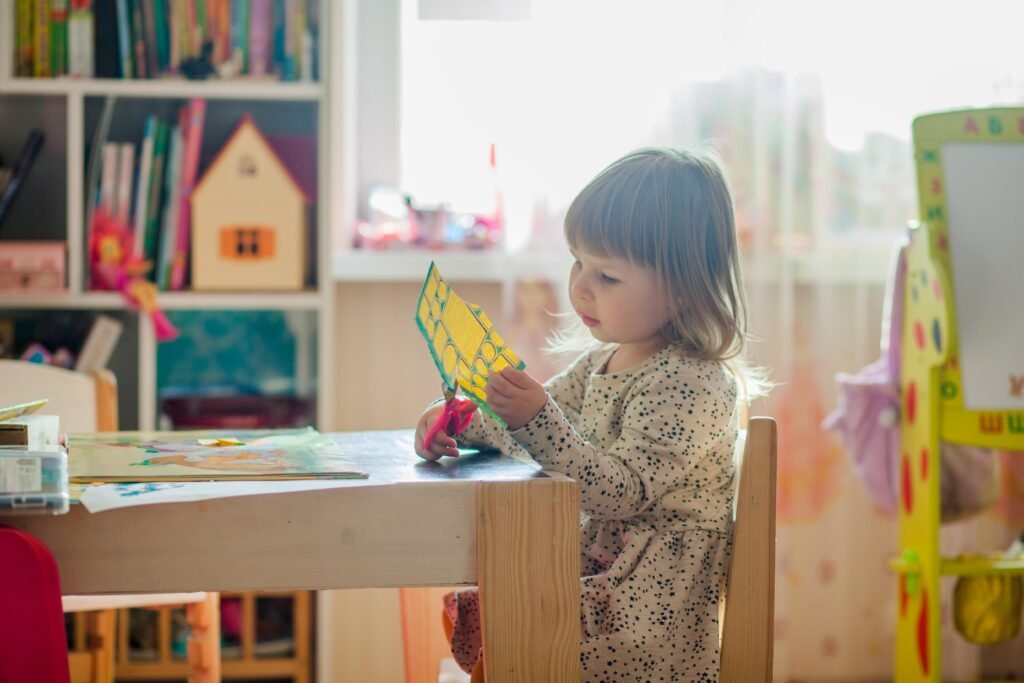
7. Cutting and Scissor Skills Books
These activity books help children safely practice cutting along lines and shapes. They are excellent for developing fine motor control and hand strength.
8. Maze Activity Books
Maze books encourage logical thinking and problem-solving. They help children improve concentration while having fun finding their way through simple challenges.
9. Matching and Sorting Books
Matching activities teach children to identify similarities, differences, patterns, and categories. These skills are important for early cognitive development.
10. Shapes and Colors Books
Shapes and colors activity books help children recognize basic concepts through games, tracing, coloring, and interactive exercises.
11. Early Reading Activity Books
These books introduce simple words, letters, and reading readiness activities. They help build vocabulary and encourage an interest in books.
12. STEM Activity Books
STEM-focused books introduce science, technology, engineering, and math concepts through age-appropriate activities that encourage curiosity and exploration.
13. Puzzle Activity Books
Puzzle books often include matching games, spot-the-difference challenges, and simple logic exercises that support critical thinking skills.
14. Seasonal Activity Books
Holiday and seasonal activity books provide themed learning opportunities throughout the year while keeping activities fresh and engaging.
15. Travel Activity Books
Travel activity books are ideal for road trips, flights, waiting rooms, and family outings. They help keep children occupied while providing educational value.
How to Choose the Right Activity Book for Your Child
Choosing the best activity books for preschoolers depends on your child’s age, interests, and developmental stage.
For younger preschoolers, simple coloring, sticker, and tracing books are often the most enjoyable. As children gain confidence, they may be ready for more advanced activities such as mazes, puzzles, and early reading exercises.
Parents should also consider their child’s interests. Activity books featuring animals, vehicles, nature, or favorite themes can help maintain engagement and make learning feel more enjoyable.
A combination of educational content, creative activities, and age-appropriate challenges often provides the best learning experience for preschool-aged children.
Why Activity Books Still Matter in 2026
Despite the growth of educational apps and digital learning tools, activity books remain one of the best ways to encourage hands-on learning during the preschool years. Tracing, coloring, puzzles, matching games, and sticker activities help children strengthen fine motor skills, improve concentration, and build early literacy and math skills without relying on screens. Many parents now combine activity books with educational toys and creative play to create a balanced learning routine that supports healthy child development.
Our Top Activity Book Recommendations
| Activity Book | Best For | Rating | Check Price |
| My First Learn-to-Write Workbook | Pre-writing & Pencil Control | ⭐4.8 | View on Amazon |
| Trace Letters – Sujatha Lalgudi | Letter Formation & Sight Words | ⭐4.8 | View on Amazon |
| Active Minds Alphabet Handwriting Practice Pad | Alphabet Practice | ⭐4.7 | View on Amazon |
| Trace Letters of the Alphabet & Sight Words | Alphabet & Early Reading | ⭐4.8 | View on Amazon |
| Preschool Math Workbook – Modern Kid Press | Numbers & Early Math | ⭐4.8 | View on Amazon |
| Lucas & Friends Preschool Math Activity Book | Interactive Math Learning | ⭐4.7 | View on Amazon |
| School Zone Thinking Skills Workbook | Logic & Critical Thinking | ⭐4.8 | View on Amazon |
| School Zone Mazes Workbook | Mazes & Fine Motor Skills | ⭐4.8 | View on Amazon |
| School Zone Big Preschool Workbook | Complete Preschool Learning | ⭐4.9 | View on Amazon |
| Preschool Big Fun Workbook (Highlights) | Games, Puzzles & School Readiness | ⭐4.8 | View on Amazon |
| Mess-Free Water Coloring Book | Reusable & Travel Activities | ⭐4.8 | View on Amazon |
| Calm & Focus Activity Workbook | Focus, Patience & Mindfulness | ⭐New⭐ | View on Amazon |
Each of the activity books above has been selected based on educational value, age suitability, customer feedback, and the learning skills it helps develop. Choose the one that best matches your preschooler’s current interests and stage of learning.
Our Top 3 Picks
🥇 Best Overall
School Zone Big Preschool Workbook
🥈 Best Budget Choice
My First Learn-to-Write Workbook
🥉 Best for Focus & Mindfulness
Calm & Focus Activity Workbook – A great choice for parents looking to introduce calming, focus-building activities alongside fine motor practice.
Frequently Asked Questions
What are the best activity books for preschoolers?
The best activity books for preschoolers include tracing books, coloring books, sticker activity books, maze books, alphabet practice books, and number learning workbooks. The ideal choice depends on a child’s age and interests.
At what age should children start using activity books?
Many children can begin using simple activity books around age 3. Books with coloring pages, stickers, matching activities, and basic tracing exercises are often suitable for preschoolers.
Are activity books good for child development?
Yes. Activity books can help develop fine motor skills, concentration, problem-solving abilities, creativity, and early literacy and math skills.
How much time should preschoolers spend with activity books?
Short sessions of 15–30 minutes are often appropriate for preschool-aged children. The focus should be on enjoyment and engagement rather than completing large amounts of work.
Are activity books a good alternative to screen time?
Yes. Many parents use activity books for preschoolers as a screen-free learning option that promotes creativity, independent play, and skill development.
Are reusable activity books worth buying?
Yes. Reusable activity books can be a great investment because preschoolers often enjoy repeating the same activities. Wipe-clean pages also allow children to practice writing, tracing, and problem-solving multiple times while reducing paper waste.
Final Thoughts
Activity books for preschoolers offer a simple and effective way to combine learning with play. Whether your child enjoys coloring, tracing, puzzles, stickers, or early reading activities, there is an activity book that can support their interests and developmental needs.
The best activity books for preschoolers encourage creativity, strengthen fine motor skills, and help build early academic foundations while providing valuable screen-free entertainment. By choosing age-appropriate books that match your child’s interests, parents can create meaningful learning experiences that children genuinely enjoy.
Activity books are a great option for quiet learning at home, but they’re even more effective when combined with hands-on play. Explore our collection of indoor activities for preschoolers on rainy days for additional creative and educational ideas. While activity books are excellent for developing early literacy and problem-solving skills, many parents also combine them with the best educational toys for 3-5 year olds to create a more engaging and hands-on learning experience.
When paired with hands-on activities and imaginative play, activity books can become an important part of a balanced preschool learning routine.
Related Preschool Learning Resources
Looking for more ways to support your preschooler’s learning and development? Explore our collection of expert guides designed to encourage creativity, curiosity, and hands-on learning. Whether you’re searching for engaging indoor activities, educational toys, STEM projects, sensory play ideas, fine and gross motor activities, kindergarten readiness tips, outdoor adventures, or the best activity books for preschoolers, these resources will help make learning fun every day.
- Screen-Free Activities for Kids Ages 3–5
- Indoor Activities for Preschoolers on Rainy Days
- Best Educational Toys for 3–5 Year Olds
- STEM Activities for Preschoolers
- Fine Motor Activities for Preschoolers
- Gross Motor Activities for Preschoolers
- Kindergarten Readiness Activities
- Sensory Activities for Preschoolers
- Outdoor Activities for Preschoolers
Pingback: Screen Free Activities for Kids: 25 Fun Ideas for Ages 3–5
Pingback: 15 Best Educational Toys for 3–5 Year Olds That Make Learning Fun
Pingback: 25 Best Indoor Activities for Preschoolers on Rainy Days (Fun & Educational)
Pingback: 25 Best Gross Motor Activities for Preschoolers to Build Strength and Coordination