
Table of Contents
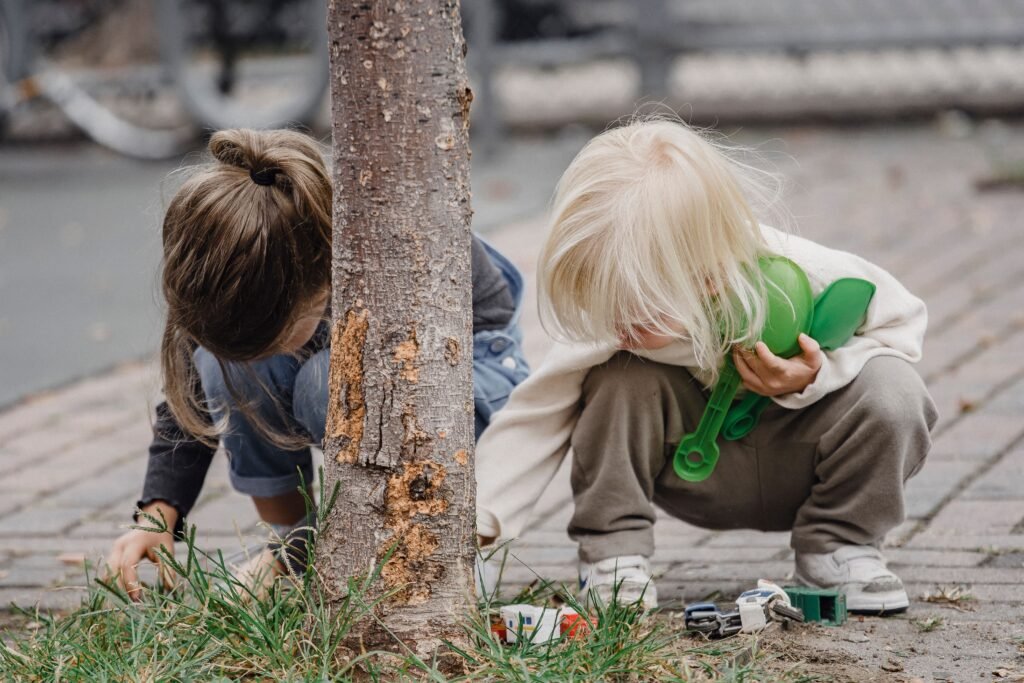
Outdoor activities for preschoolers are much more than a chance to run around and burn off energy. Spending time outdoors encourages children to explore, ask questions, solve problems, and develop important physical, cognitive, and social skills through everyday experiences. Nature becomes a classroom where every tree, flower, insect, and cloud offers an opportunity to learn something new.
During the preschool years, children are naturally curious about the world around them. Outdoor play allows them to observe seasonal changes, investigate plants and animals, experiment with natural materials, and strengthen their imagination through open-ended exploration. These experiences help build confidence while supporting healthy development across multiple learning areas.
In addition to promoting physical activity, outdoor experiences improve communication, creativity, emotional well-being, and problem-solving skills. Whether children are collecting leaves, planting flowers, observing insects, or creating artwork with natural materials, they are learning through play in ways that feel exciting and meaningful.
Parents sometimes believe outdoor learning requires expensive equipment or large outdoor spaces. Fortunately, many engaging activities can be enjoyed in a backyard, local park, apartment garden, or even a small outdoor patio using simple materials found in nature.
If you’re looking for more ways to reduce screen time, don’t miss our guide to Screen-Free Activities for Kids Ages 3–5, which pairs perfectly with outdoor exploration.
In this guide, you’ll discover 25 engaging outdoor activities for preschoolers that inspire curiosity, creativity, confidence, and a lifelong appreciation for nature.
Why Outdoor Activities Matter
Outdoor activities provide children with opportunities to explore the world using all of their senses while developing important life skills. Every outdoor adventure encourages children to observe, ask questions, solve problems, and build confidence through hands-on experiences.
Outdoor learning helps children:
- Improve gross motor skills
- Strengthen balance and coordination
- Build curiosity and observation skills
- Encourage creativity and imagination
- Develop early science knowledge
- Improve communication and language
- Support emotional well-being
- Increase confidence through independent exploration
Perhaps most importantly, spending time outdoors encourages children to develop a lifelong connection with nature while learning through discovery rather than memorization.
Nature Exploration Activities
1. Nature Scavenger Hunt
What You’ll Need
- Printable scavenger hunt list or hand-drawn checklist
- Small basket or bag
- Pencil or crayons
How to Do the Activity
Create a simple list of items for your child to find, such as a green leaf, smooth rock, feather, flower, pinecone, or something yellow. Walk together through a park or garden while encouraging them to carefully observe their surroundings.
Instead of rushing to complete the list, encourage conversations about each discovery by asking questions like:
- What does it feel like?
- Why do you think it’s this color?
- Where do you think it came from?
Why This Activity Helps
Scavenger hunts strengthen observation, vocabulary, and problem-solving while encouraging children to explore nature at their own pace.
Skills Developed
- Observation
- Vocabulary
- Problem-solving
- Critical thinking
- Nature awareness
Leave No Trace shares simple outdoor principles that help families enjoy nature responsibly. Teaching preschoolers to respect plants, wildlife, and natural spaces from an early age encourages environmental responsibility while making outdoor adventures safe and enjoyable.
2. Leaf Collection and Sorting
What You’ll Need
- Basket
- Paper
- Glue
- Crayons
How to Do the Activity
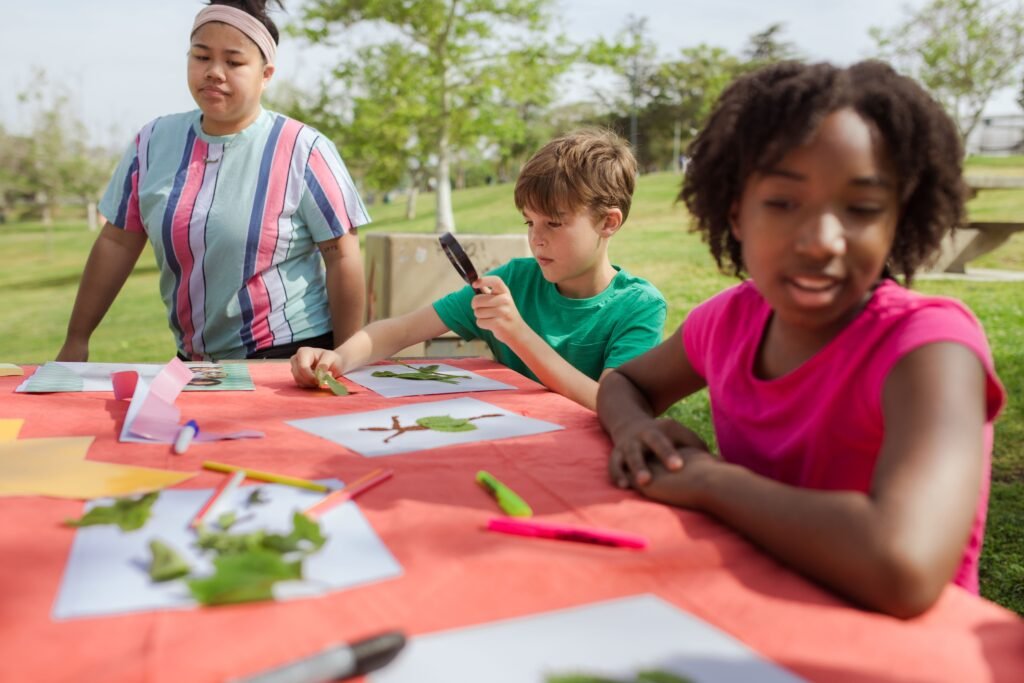
Collect leaves of different shapes, colors, and sizes during a walk. At home, invite your child to sort them by size, color, or shape before creating a simple nature collage or leaf chart.
Talk about why some leaves are larger, why colors change during different seasons, and how trees use leaves to grow.
Why This Activity Helps
Sorting leaves introduces early science and math concepts while improving observation skills and encouraging curiosity about the natural world.
Skills Developed
- Sorting
- Classification
- Observation
- Creativity
- Early science
3. Bug Explorer Adventure
What You’ll Need
- Magnifying glass
- Notebook
- Pencil
How to Do the Activity
Search under rocks, around flowers, and near trees to safely observe insects such as ants, ladybugs, butterflies, and beetles. Encourage your child to watch how the insects move without touching or disturbing them.
Record simple observations by drawing pictures or describing what the insects were doing.
Why This Activity Helps
Observing insects teaches patience while introducing children to ecosystems, habitats, and respect for living creatures.
Skills Developed
- Observation
- Scientific thinking
- Patience
- Curiosity
- Respect for nature
4. Cloud Watching
What You’ll Need
- Blanket
- Open grassy area
How to Do the Activity
Lie on a blanket together and spend time watching the clouds drift across the sky. Encourage your child to imagine different shapes and create stories about what they see.
You can also talk about weather by asking:
- Which clouds look fluffy?
- Do you think it might rain?
- How fast are the clouds moving?
Why This Activity Helps
Cloud watching encourages imagination while introducing basic weather concepts and observation skills.
Skills Developed
- Creativity
- Observation
- Language development
- Imagination
- Weather awareness
5. Rock Discovery Walk
What You’ll Need
- Small collection bag
How to Do the Activity
Collect rocks of different sizes, colors, and textures during a walk. At home, compare them by weight, color, and shape, then arrange them into different groups.
Encourage your child to describe which rocks feel rough, smooth, heavy, or light.
Why This Activity Helps
Exploring rocks introduces early geology concepts while strengthening descriptive language and comparison skills.
Skills Developed
- Observation
- Classification
- Vocabulary
- Scientific thinking
- Problem-solving
Gardening & Plant Activities
6. Planting Seeds
What You’ll Need
- Small flower pot
- Potting soil
- Child-friendly seeds (such as beans, sunflowers, or herbs)
- Watering can
How to Do the Activity
Help your child fill the pot with soil, plant the seeds, and water them gently. Place the pot where it receives enough sunlight and encourage your child to care for it each day.
Talk about what plants need to grow—sunlight, water, air, and soil—and observe changes together over the following weeks.
Why This Activity Helps
Planting seeds teaches patience, responsibility, and the basics of plant life while giving children the opportunity to observe change over time.
Skills Developed
- Responsibility
- Observation
- Patience
- Scientific thinking
- Fine motor skills
7. Watering Garden Plants
What You’ll Need
- Child-sized watering can
How to Do the Activity
Allow your child to water flowers, vegetables, or potted plants each morning or evening. Encourage them to notice which plants need more water and which ones are growing taller.
Discuss why plants need water and how caring for them helps them stay healthy.
Why This Activity Helps
Watering plants encourages responsibility while helping children understand cause and effect in nature.
Skills Developed
- Responsibility
- Observation
- Empathy
- Fine motor control
- Nature awareness
8. Flower Color Hunt
What You’ll Need
- Color chart (optional)
How to Do the Activity
Take a walk through a garden or park and challenge your child to find flowers of different colors. Encourage them to compare petals, shapes, sizes, and scents while discussing which flowers attract butterflies and bees.
Why This Activity Helps
This activity strengthens observation, color recognition, vocabulary, and appreciation for the diversity of nature.
Skills Developed
- Color recognition
- Observation
- Vocabulary
- Curiosity
- Nature appreciation
9. Nature Collage
What You’ll Need
- Leaves
- Twigs
- Flowers (only fallen ones)
- Paper
- Child-safe glue
How to Do the Activity
Collect natural materials during your walk and create a collage once you return home. Encourage your child to arrange the items into pictures, patterns, or imaginative scenes before gluing them onto the paper.
Why This Activity Helps
Creating a nature collage combines outdoor exploration with creative expression. It also strengthens fine motor skills while encouraging children to appreciate the beauty of natural materials.
Skills Developed
- Creativity
- Fine motor skills
- Observation
- Artistic expression
- Nature awareness
10. Tree Bark Rubbing
What You’ll Need
- Paper
- Crayons
- Clipboard (optional)
How to Do the Activity
Place a sheet of paper against a tree trunk and gently rub the side of a crayon across the paper to reveal the bark’s unique texture. Repeat the activity on different trees and compare the patterns.
Talk about why different trees have different bark textures and how bark protects the tree.
Why This Activity Helps
Tree bark rubbing helps children notice details they might otherwise overlook while encouraging curiosity about trees and the natural environment.
Skills Developed
- Observation
- Creativity
- Texture recognition
- Scientific curiosity
- Fine motor skills
Wildlife Discovery Activities
11. Bird Watching Adventure
What You’ll Need
- Child-friendly binoculars (optional)
- Notebook
- Pencil
How to Do the Activity
Visit a nearby park or sit quietly in your backyard and observe birds together. Encourage your child to notice differences in their colors, sizes, sounds, and flying patterns.
Ask questions such as:
- Which bird is the biggest?
- What color are its feathers?
- How does it move?
- What do you think it is looking for?
Children can draw their favorite bird afterward or keep a simple bird journal.
Why This Activity Helps
Bird watching develops patience, observation, listening skills, and an appreciation for wildlife while encouraging children to slow down and notice details in nature.
Skills Developed
- Observation
- Patience
- Listening
- Scientific thinking
- Nature appreciation
12. Butterfly Observation
What You’ll Need
- Flower garden or park
How to Do the Activity
Visit an area where butterflies are commonly found. Encourage your child to quietly observe how butterflies fly from flower to flower without chasing or touching them.
Talk about why butterflies visit flowers and how they help plants grow through pollination.
Why This Activity Helps
Children learn about pollinators while improving observation skills and developing respect for living creatures.
Skills Developed
- Observation
- Curiosity
- Environmental awareness
- Scientific thinking
13. Build a Bug Hotel
What You’ll Need
- Small sticks
- Pinecones
- Bamboo pieces
- Cardboard tubes
- Wooden box
How to Do the Activity
Work together to build a simple shelter for insects using natural materials. Place it in a quiet corner of the garden and check it regularly to see which insects visit.
Discuss how insects play important roles in nature by helping plants grow and breaking down organic matter.
Why This Activity Helps
This activity introduces children to habitats and ecosystems while encouraging responsibility and curiosity.
Skills Developed
- Problem-solving
- Creativity
- Environmental awareness
- Observation
14. Spider Web Discovery
What You’ll Need
- Magnifying glass (optional)
How to Do the Activity
Early in the morning, search for spider webs covered in dew. Observe the patterns without disturbing them.
Talk about how spiders build webs and why they are important in nature.
Why This Activity Helps
Children learn to appreciate creatures that are often misunderstood while developing observation skills and curiosity.
Skills Developed
- Observation
- Respect for nature
- Scientific thinking
- Curiosity
15. Animal Track Hunt
What You’ll Need
- Notebook
- Pencil
- Camera (optional)
How to Do the Activity
Look for footprints left by birds, dogs, cats, or other animals in mud or sand. Compare the shapes and sizes and guess which animal made each track.
Why This Activity Helps
Tracking animals encourages logical thinking, observation, and curiosity about wildlife.
Skills Developed
- Observation
- Problem-solving
- Critical thinking
- Nature awareness
Weather & Outdoor STEM Activities
16. Rain Gauge Experiment
What You’ll Need
- Clear plastic bottle
- Marker
- Ruler
How to Do the Activity
Create a simple rain gauge by cutting the top off a plastic bottle and marking measurement lines. Place it outside and measure rainfall after each shower.
Why This Activity Helps
Children begin understanding weather, measurement, and observation through real-life experiences.
Skills Developed
- Measuring
- Observation
- STEM learning
- Patience
17. Shadow Tracking
What You’ll Need
- Chalk
- Sunny day
How to Do the Activity
Draw around your child’s shadow in the morning, then repeat at midday and in the afternoon. Compare how the shadow changes throughout the day.
Why This Activity Helps
Children learn about sunlight, time, and movement while strengthening observation skills.
Skills Developed
- Scientific observation
- Critical thinking
- Curiosity
18. Wind Explorer
What You’ll Need
- Ribbon
- Pinwheel
- Small flag
How to Do the Activity
Observe how different objects move in the wind. Compare windy and calm days and discuss how wind affects trees, clouds, and birds.
Why This Activity Helps
Children begin understanding weather patterns while strengthening prediction skills.
Skills Developed
- Observation
- Scientific thinking
- Prediction
19. Floating Leaf Challenge
What You’ll Need
- Bucket of water
- Leaves
- Twigs
- Flowers
How to Do the Activity
Collect natural objects and predict which ones will float before testing them in water.
Why This Activity Helps
Children explore simple science concepts through experimentation and prediction.
Skills Developed
- STEM learning
- Problem-solving
- Observation
20. Build a Stick Bridge
What You’ll Need
- Sticks
- Stones
- Leaves
How to Do the Activity
Challenge your child to build a small bridge using only natural materials. Test whether it can hold small toy animals or blocks.
Why This Activity Helps
Building encourages creativity while introducing early engineering concepts.
Skills Developed
- Creativity
- Engineering thinking
- Problem-solving
- Teamwork
Creative Outdoor Adventures
21. Nature Painting
Paint using leaves, flowers, and sticks as brushes.
22. Sidewalk Chalk Storytelling
Draw scenes and create imaginative stories together.
23. Fairy Garden or Dinosaur Garden
Create miniature outdoor worlds using natural materials.
24. Outdoor Treasure Hunt
Hide simple nature-themed treasures and follow picture clues to find them.
25. Outdoor Picnic Reading Time
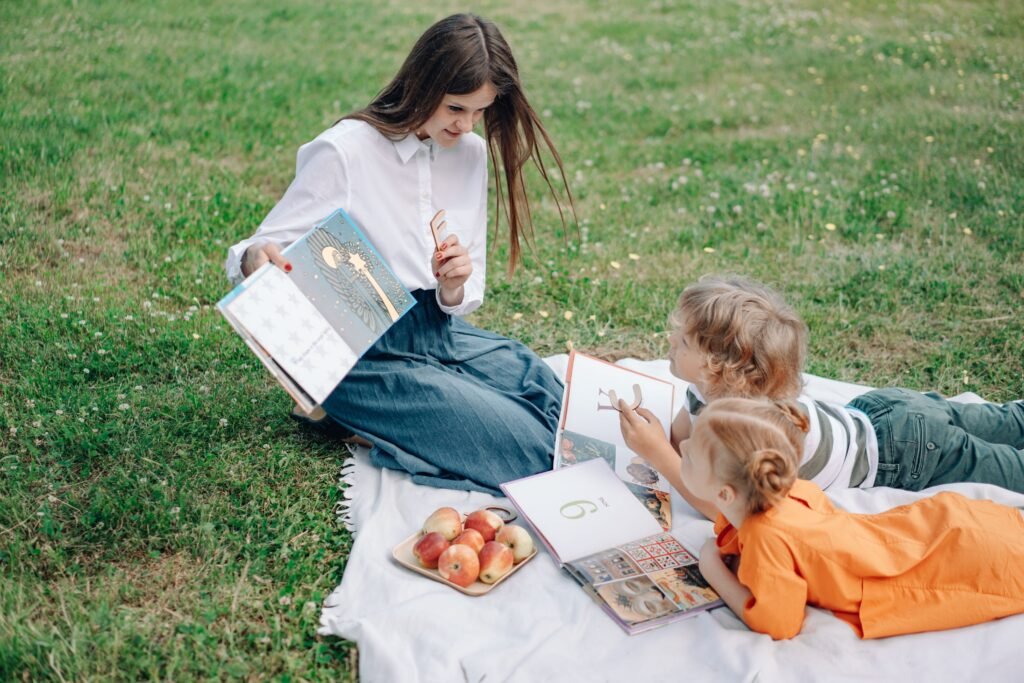
Take favorite books outside and enjoy reading together under a tree, discussing the story and connecting it to the surrounding environment.
Compare Our Favorite Outdoor Play Products
Whether your child enjoys gardening, splashing in water, exploring nature, or building sandcastles, these carefully selected products help make outdoor activities for preschoolers even more engaging. We’ve compared our favorite outdoor play resources to help you choose toys that encourage creativity, active play, and hands-on learning.
| Outdoor Play Product | Best For | ⭐ Rating | Explore |
|---|---|---|---|
| BIRANCO Flower Garden | Creative gardening | ⭐4.8 | View on Amazon |
| CUTE STONE Gardening Set | Real gardening play | ⭐4.4 | View on Amazon |
| Butterfly Garden Kit | Nature exploration | ⭐4.5 | View on Amazon |
| GeoSafari Kidnoculars | Bird & nature watching | ⭐4.6 | View on Amazon |
| Splash Pad 67″ | Summer water fun | ⭐4.3 | View on Amazon |
| CozyBomB Fishing Game | Water play & coordination | ⭐4.2 | View on Amazon |
| JOYIN Super Blaster | Outdoor water battles | ⭐4.4 | View on Amazon |
| Collapsible Beach Toys | Beach & sandbox fun | ⭐4.5 | View on Amazon |
| TOY Life Beach Set | Sandcastle building | ⭐4.4 | View on Amazon |
| Kidoozie Sand ‘n Splash | Sand & water play | ⭐4.4 | View on Amazon |
| Bubble Lawn Mower | Active bubble play | ⭐4.2 | View on Amazon |
| JOYIN Bubble Guns | Bubble-filled fun | ⭐4.2 | View on Amazon |
| Skillmatics Chalk Kit | Outdoor games & art | ⭐4.4 | View on Amazon |
| Selieve Walkie Talkies | Adventure play | ⭐4.4 | View on Amazon |
| Adventure Kidz Explorer Kit | Nature adventures | ⭐4.5 | View on Amazon |
⭐ Top 5 Editor’s Picks for Outdoor Activities ⭐
Looking to make outdoor activities for preschoolers even more exciting? These editor-selected products encourage exploration, creativity, water play, gardening, and outdoor adventures while helping children learn through hands-on experiences. Carefully chosen for their educational value, durability, and parent-approved quality, they’re excellent companions to the kids featured in this guide.
🥇 Best Overall
Kidoozie Sand ‘n Splash Activity Table
A fantastic all-in-one outdoor activity table that lets preschoolers explore sand and water through imaginative play. It encourages sensory exploration, creativity, and hours of backyard fun.
🥈 Best Nature Discovery
Insect Lore Raise & Release Butterfly Garden
Turn your backyard into a real-life science lesson. Children can observe the butterfly life cycle while developing curiosity, patience, and a deeper appreciation for nature.
🥉 Best Summer Pick
Non-Slip Splash Pad
Perfect for warm days, this splash pad keeps preschoolers active while encouraging movement, coordination, and family fun in the backyard.
⭐ Best Creative Play
BIRANCO Flower Garden Building Toys
A colorful flower-building set that inspires imaginative outdoor play while strengthening creativity and fine motor skills.
⭐ Best Adventure Pick
Adventure Kidz Outdoor Exploration Kit
Everything little explorers need for backyard adventures, camping trips, nature walks, and outdoor discovery.
Benefits of Outdoor Activities for Preschoolers
Outdoor experiences provide far more than physical exercise. They help children become curious learners by encouraging exploration, creativity, observation, and problem-solving in real-world environments.
Benefits include:
- Builds gross motor skills and coordination
- Encourages curiosity and creativity
- Strengthens observation skills
- Supports emotional well-being
- Improves confidence and independence
- Develops early STEM concepts
- Encourages communication and teamwork
- Fosters appreciation for nature
Outdoor learning also gives children opportunities to make meaningful discoveries that simply can’t be replicated indoors.
The National Wildlife Federation’s outdoor learning resources encourage families to explore nature together through activities such as wildlife observation, gardening, habitat creation, and outdoor discovery. These experiences help children develop curiosity, environmental awareness, and a lifelong appreciation for the natural world.
Project Learning Tree offers family-friendly outdoor learning activities that introduce children to science, nature, and environmental stewardship through hands-on exploration. Their ideas encourage observation, problem-solving, and creative thinking while helping children build meaningful connections with the outdoors.
Frequently Asked Questions
What are the best outdoor activities for preschoolers?
The best outdoor activities for preschoolers encourage exploration, creativity, and hands-on learning rather than simply keeping children active. Nature scavenger hunts, gardening, bird watching, cloud observation, bug exploration, nature art, and simple science experiments help children develop problem-solving, observation, communication, and motor skills while making learning enjoyable.
Why is outdoor play important for preschoolers?
Outdoor play supports every area of a child’s development. It improves physical health, strengthens balance and coordination, encourages creativity, develops social skills, and introduces early science concepts through real-life experiences. Spending time outdoors also reduces stress, builds confidence, and encourages children to become curious, independent learners.
How much outdoor time should preschoolers have each day?
Preschoolers benefit from regular outdoor play throughout the day. The ideal amount of outdoor time can vary depending on age, weather, family routines, and opportunities for safe outdoor activity.
What can preschoolers learn outside?
Outdoor environments provide endless learning opportunities. Children can explore plants, insects, weather, animals, colors, shapes, patterns, counting, measurement, and basic science concepts through everyday play. They also strengthen communication, observation, creativity, and problem-solving skills while interacting with nature.
What should children take on outdoor learning adventures?
Most outdoor activities require only simple supplies such as a small backpack, reusable water bottle, magnifying glass, notebook, crayons, child-safe gardening tools, sunscreen, hats, and comfortable shoes. These basic items allow children to safely explore nature while encouraging curiosity and independent discovery.
How can parents make outdoor learning more engaging?
Instead of giving children answers, encourage them to ask questions and investigate what they observe. Ask open-ended questions such as:
- What do you notice?
- Why do you think that happened?
- What do you think will happen next?
- How does it feel?
- Can you find something different?
These conversations encourage critical thinking and help children become active learners rather than passive observers.
Related Preschool Learning Resources
Looking for more ways to support your preschooler’s learning and development? Explore our collection of expert guides designed to encourage creativity, curiosity, and hands-on learning. Whether you’re searching for engaging indoor activities, educational toys, STEM projects, sensory play ideas, fine and gross motor activities, kindergarten readiness tips, outdoor adventures, or the best activity books for preschoolers, these resources will help make learning fun every day.
- Best Activity Books for Preschoolers
- Indoor Activities for Preschoolers on Rainy Days
- Best Educational Toys for 3–5 Year Olds
- STEM Activities for Preschoolers
- Fine Motor Activities for Preschoolers
- Gross Motor Activities for Preschoolers
- Kindergarten Readiness Activities
- Sensory Activities for Preschoolers
- Screen-Free Activities for Kids Ages 3–5
Simple Outdoor Learning Materials
Outdoor learning doesn’t require expensive equipment. Many meaningful activities can be enjoyed using affordable household items and simple nature exploration tools.
Useful materials include:
- Magnifying glass
- Child-sized watering can
- Gardening gloves
- Flower pots
- Bird identification book
- Nature journal
- Binoculars
- Sidewalk chalk
- Buckets and scoops
- Measuring tape
- Paint brushes
- Clipboards
- Reusable collection bags
- Sunscreen and hats
As children become more interested in nature, you can introduce outdoor exploration kits, gardening sets, bug catchers, and nature observation tools that encourage independent learning and curiosity.
Continue Your Preschool Learning Journey
If you enjoyed these outdoor learning ideas, you may also enjoy our other preschool learning guides. Discover engaging screen-free activities, exciting STEM projects, sensory play ideas, educational toys, activity books, fine and gross motor activities, indoor learning ideas, and kindergarten readiness activities. Together, these resources provide parents with practical ways to support every stage of early childhood development through meaningful play.
Final Thoughts
Outdoor activities for preschoolers provide far more than fresh air and exercise. Every walk through the park, gardening session, scavenger hunt, or nature observation encourages children to ask questions, solve problems, and build confidence through real-world experiences.
By making outdoor exploration part of your child’s routine, you’re creating opportunities for learning that can’t always be recreated indoors. Children develop stronger observation skills, improve creativity, build resilience, and gain a deeper appreciation for the natural world while enjoying active, screen-free play.
The best part is that meaningful outdoor learning doesn’t require expensive equipment or elaborate planning. With a little curiosity and a willingness to explore together, everyday outdoor adventures can become some of your child’s most valuable learning experiences.
Pingback: 15 Best Educational Toys for 3–5 Year Olds That Make Learning Fun