
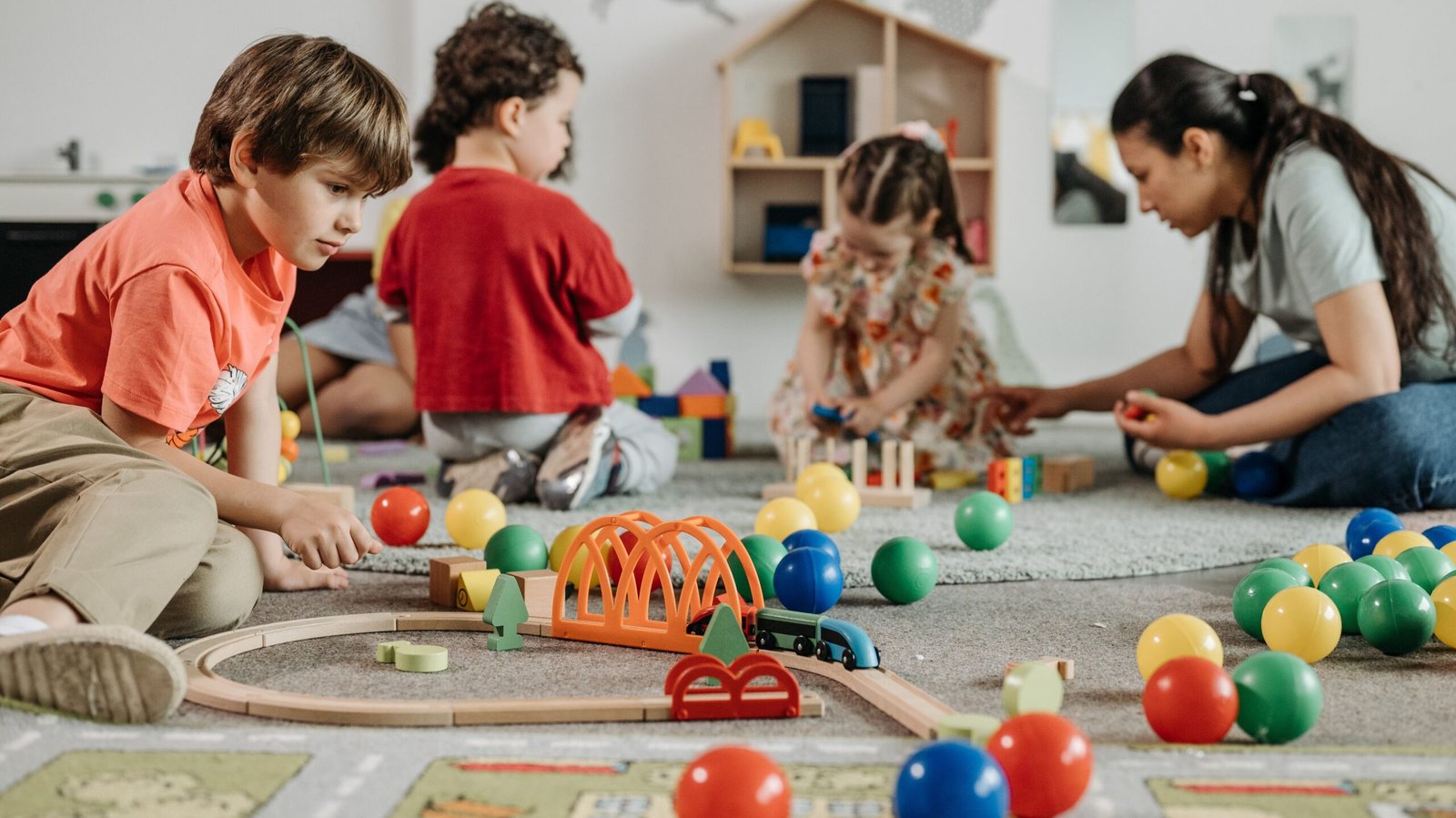
Screen free activities for kids are a wonderful way to encourage creativity, learning, and independent play during the preschool years. Finding engaging screen-free activities for young children can feel challenging in a world filled with tablets, smartphones, and television. While technology has its place, children between the ages of 3 and 5 benefit greatly from hands-on play, creativity, movement, and real-world experiences. These screen free activities for kids are designed to be simple, engaging, and easy to adapt to different interests and learning styles.
The good news is that meaningful screen-free play doesn’t require expensive toys or complicated planning. Most activities use simple household items, creativity, and a little imagination. In this guide, you’ll discover 25 fun and simple screen-free activities that encourage learning, imagination, and independent play while helping reduce screen time naturally.
Table of Contents
Why Screen-Free Activities Matter
Screen-free activities help children develop creativity, problem-solving skills, communication abilities, and physical coordination. They also encourage meaningful family interactions and independent play, which are essential during the preschool years. By offering a variety of engaging activities, parents can reduce screen dependence while supporting healthy development. Screen-free play also helps children build emotional resilience and independent thinking. Without constant digital stimulation, preschoolers learn to solve simple problems, manage boredom creatively, and develop confidence through self-directed exploration. These everyday experiences support healthy cognitive, emotional, and social development.
25 Screen-Free Activities for Kids Ages 3–5
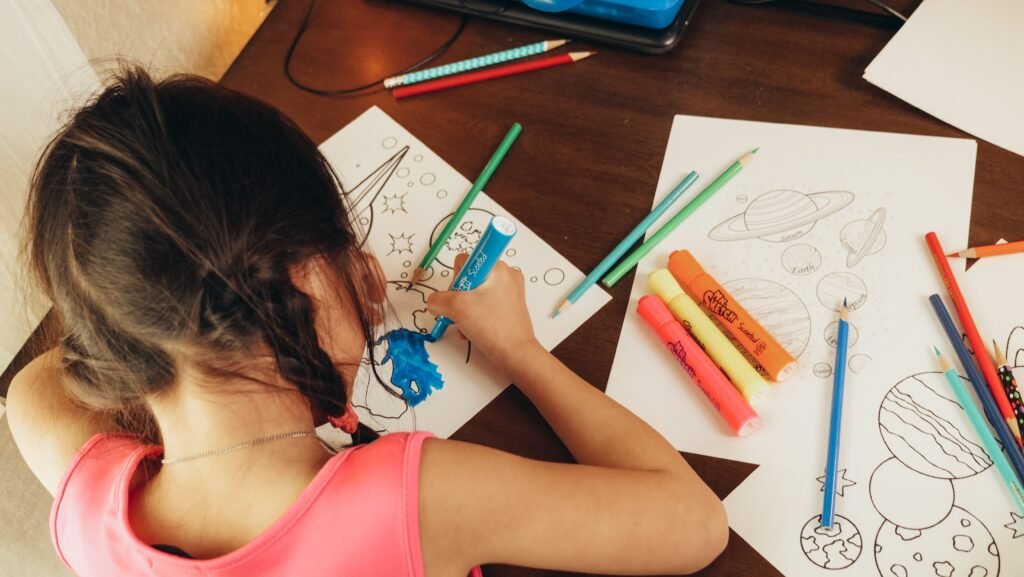
1. Coloring and Drawing
Give children crayons, markers, or colored pencils and let their imagination take over. Drawing helps improve fine motor skills, creativity, and self-expression.
2. Building Blocks
Building towers, bridges, and simple structures encourages problem-solving, spatial awareness, and creativity while keeping children engaged for long periods.
3. Puzzle Time
Age-appropriate puzzles help children develop concentration, patience, and critical thinking skills while providing a rewarding challenge.
4. Pretend Play
Whether pretending to run a store, cook in a kitchen, or become a superhero, imaginative play helps develop language, creativity, and social skills.
5. Storytelling
Invite children to create their own stories using toys, pictures, or everyday objects. Storytelling boosts language development and imagination.
6. Play Dough Creations
Play dough encourages creativity and strengthens hand muscles needed for writing and drawing. Children can create animals, shapes, and imaginative objects.
7. Treasure Hunt
Hide simple objects around the house and give clues for children to find them. This activity encourages observation and problem-solving skills.
8. Sorting Objects by Color
Gather everyday items and ask children to sort them by color, size, or shape. It’s a simple way to develop early math and classification skills.
9. Nature Walks
Take a walk outdoors and encourage children to notice flowers, leaves, birds, and insects. Nature walks promote curiosity and appreciation for the environment.
10. Water Painting
Give children a paintbrush and a container of water to “paint” on sidewalks, fences, or outdoor surfaces. It’s mess-free and surprisingly entertaining.
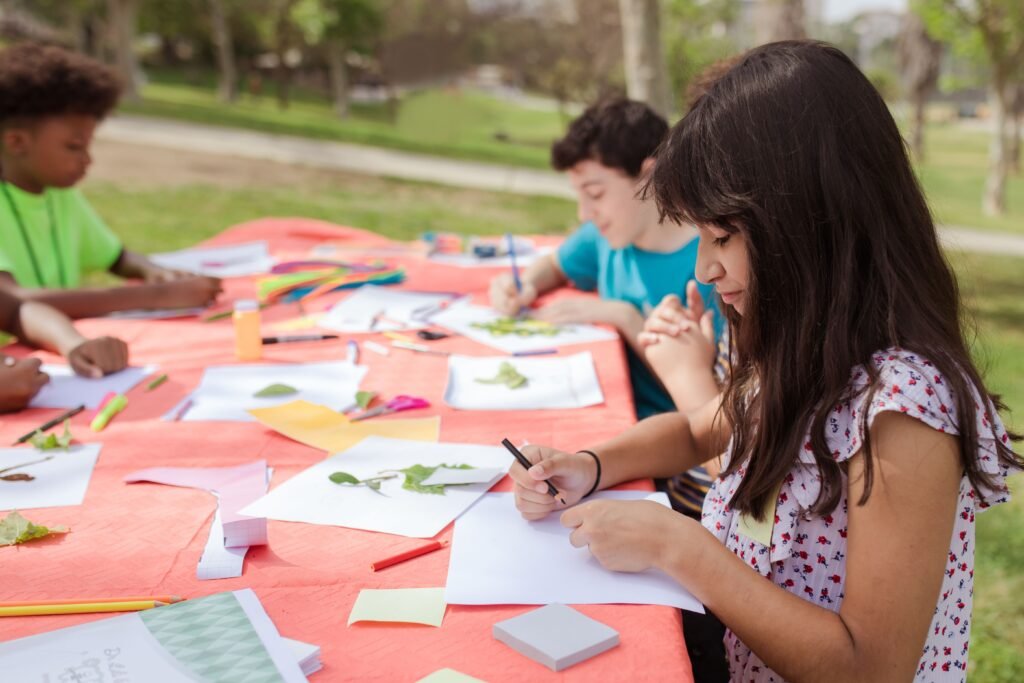
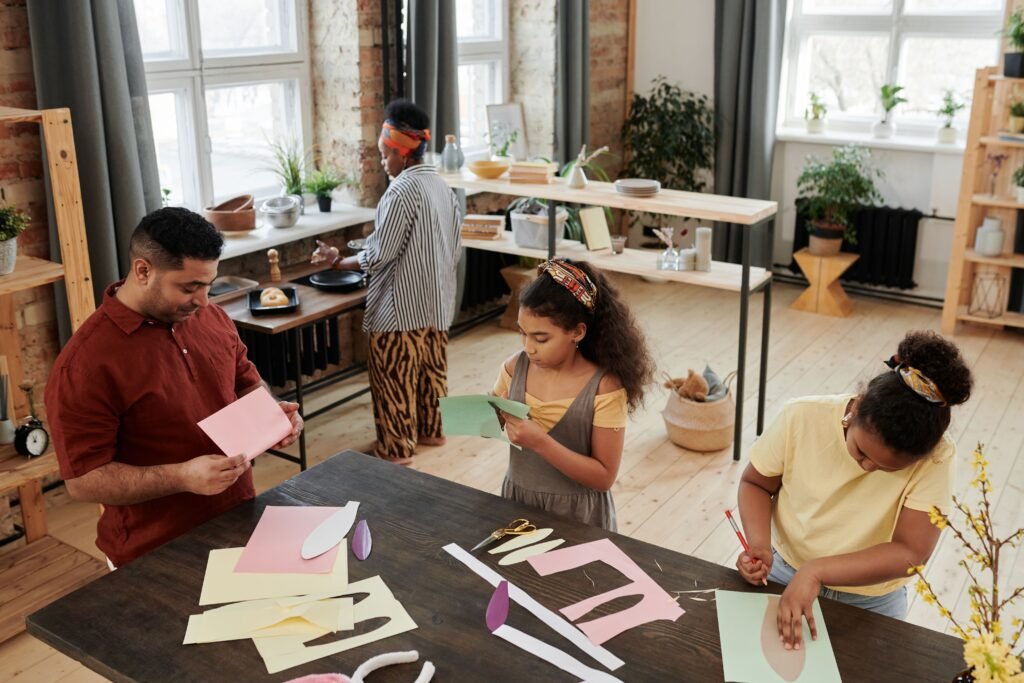
11. Paper Crafts
Simple crafts using paper, glue, and child-safe scissors help develop creativity and fine motor skills.
12. Sensory Bins
Fill a container with rice, beans, or pasta and add small toys for exploration. Sensory play supports learning through touch and discovery.
13. Matching Games
Create simple matching activities using cards, colors, shapes, or pictures. Matching games strengthen memory and concentration.
14. Obstacle Course
Use cushions, chairs, and household items to create a safe indoor obstacle course. This encourages movement, balance, and coordination.
15. Dance and Movement
Play music and encourage children to dance, jump, and move freely. Physical activity supports healthy development and burns off excess energy.
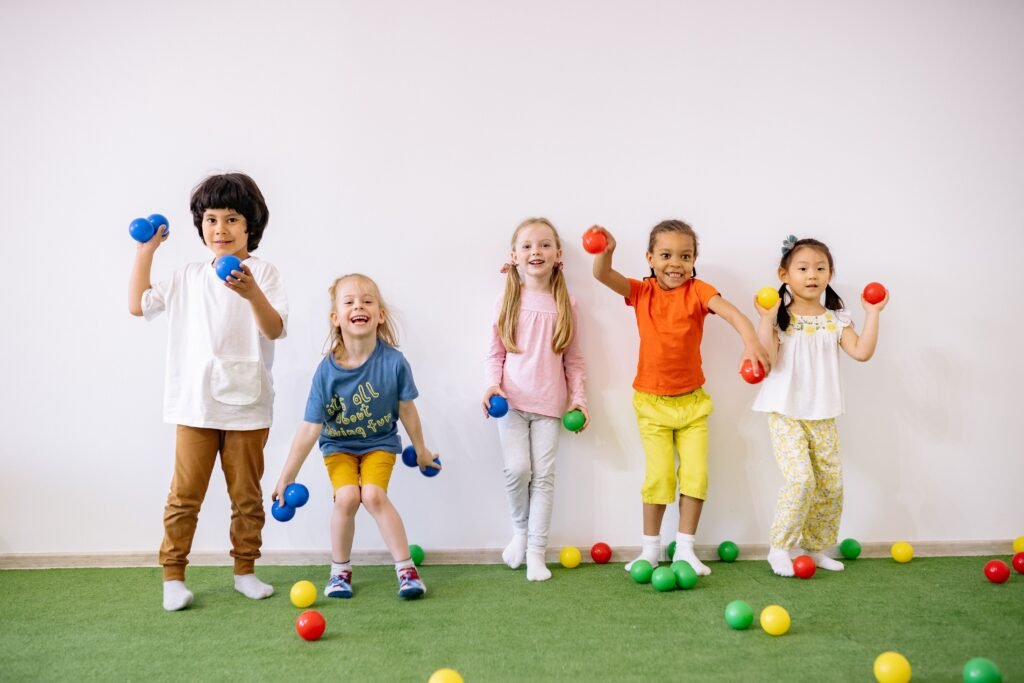
Tips for Encouraging Screen-Free Play
Reducing screen time becomes easier when children have engaging alternatives. Rotate activities regularly, keep simple supplies within reach, and join in the fun whenever possible. Remember that boredom often sparks creativity, so it’s okay if children need a little time to discover new ways to play. Creating a simple daily routine can make screen-free play easier. Try placing art supplies, puzzles, books, or building blocks in easy-to-reach baskets so children can choose activities independently without waiting for instructions.
16. Gardening Together
Let children help water plants, dig soil, or plant seeds. Gardening teaches responsibility, patience, and an appreciation for nature.
17. Simple Science Experiments
Try easy experiments such as mixing colors, making a baking soda volcano, or exploring floating and sinking objects.
18. Reading Books Together
Reading develops language skills, imagination, and a lifelong love of learning. Let children choose books that interest them.
19. Shape Hunt
Ask children to find circles, squares, rectangles, and triangles around the house. This reinforces early math concepts in a fun way.
20. Scavenger Hunt
Create a simple list of household or outdoor items for children to find. This encourages observation and problem-solving.
21. Shadow Play
Use a flashlight and toys to create shadows on a wall. Children can invent stories and experiment with shapes.
22. Homemade Musical Instruments
Create instruments using containers, rice, rubber bands, and household items. This encourages creativity and musical exploration.
23. Cooking Together
Simple tasks such as stirring ingredients, washing vegetables, or arranging food help build confidence and life skills.
24. Memory Games
Use matching cards or household objects to strengthen memory, concentration, and attention skills.
25. Indoor Camping
Build a blanket fort, read stories, and enjoy pretend camping indoors. This combines creativity, imagination, and family bonding.
Benefits of Screen-Free Activities for Kids
Screen-free activities offer many benefits for children between the ages of 3 and 5. During these early years, children learn best through hands-on experiences, movement, and social interaction.These screen free activities for kids can help create a healthy balance between digital entertainment and hands-on learning.
Some key benefits of screen-free play include:
- Improved creativity and imagination through open-ended activities.
- Better communication and language development.
- Stronger problem-solving and critical thinking skills.
- Enhanced fine and gross motor development.
- More opportunities for family bonding and social interaction.
- Reduced dependence on digital devices for entertainment.
By providing a variety of screen-free activities, parents can help create a balanced environment that supports healthy growth and development. These screen free activities for kids can help create a healthy balance between digital entertainment and hands-on learning. By regularly introducing screen free activities for kids, parents can encourage healthy habits that support learning, creativity, and emotional development
Helpful Products for Screen Free Activities for Kids
Many of the best screen free activities for kids require little more than imagination and everyday household items. However, a few carefully chosen toys and activity materials can make screen-free play easier to set up, encourage independent play, and give children more ways to explore creativity, movement, storytelling, and family connection.
The products below support different types of screen-free play for children ages 3–5. Rather than recommending several similar toys, we have selected options that serve different interests and activity styles.
| Product | Best For | Rating | Explore |
|---|---|---|---|
| Melissa & Doug Water Wow! Safari Activity Pad | Reusable Quiet Play | ⭐ 4.8 | View on Amazon |
| SGILE Large Magnetic Drawing Board | Drawing & Creative Play | ⭐ 4.6 | View on Amazon |
| Who What Why Conversation Cards for Kids | Conversation & Social Skills | ⭐ 4.7 | View on Amazon |
| eeBoo Mystery in The Forest Create a Story Cards | Storytelling & Imagination | ⭐ 4.7 | View on Amazon |
| Chuckle & Roar Alphabet Matching Memory Game | Alphabet Learning & Memory | ⭐ 4.8 | View on Amazon |
| Taika 70 Pcs Ocean Felt Story Board Set | Tactile Storytelling | ⭐ 4.8 | View on Amazon |
| Janod MagnetiBook 41 pc Magnetic Animal Mix and Match Game | Independent Creative Play | ⭐ 4.7 | View on Amazon |
| YOGi FUN Yogi Kit Card Game | Movement & Mindfulness | ⭐ 4.6 | View on Amazon |
| Imagine Meditation Cards for Kids | Calm & Mindful Activities | ⭐ 4.7 | View on Amazon |
| OUTFOXED Classic Who Dunnit Game for Preschoolers | Cooperative Family Play | ⭐ 4.8 | View on Amazon |
⭐ Our Top 5 Picks for Screen Free Activities for Kids ⭐
With so many options available, choosing the right products for screen-free play can be difficult. Our top picks include reusable activities, creative storytelling tools, movement-based play, and cooperative games that children can enjoy without relying on digital entertainment.
These five products stand out for their age suitability, repeat-play value, and ability to support different types of screen free activities for kids ages 3–5.
🥇 Best Overall: Melissa & Doug Water Wow! Safari Activity Pad
The Melissa & Doug Water Wow! Safari Activity Pad is our top overall pick for simple, reusable screen-free entertainment. Children use the refillable water pen to reveal colorful safari pictures and activities, and once the pages dry, they can be used again.
Its compact design makes it especially useful for car rides, restaurants, waiting rooms, and quiet time at home. With no batteries, complicated setup, or traditional paints to clean up, it is an easy activity for parents to keep within reach.
Why We Like It
Reusable Activity Pages: The pictures can be revealed again after the pages dry.
Mess-Free Creative Play: Children can enjoy an engaging activity using only the refillable water pen.
Easy to Take Anywhere: The compact format makes it convenient for travel and outings.
Encourages Independent Play: Simple enough for young children to enjoy with minimal assistance.
Best For: Quiet time, travel, restaurants, and reusable screen-free play.
📖 Best for Storytelling: eeBoo Mystery in The Forest Create a Story Cards
The eeBoo Mystery in The Forest Create a Story Cards encourage children to use illustrated cards to create their own characters, adventures, and story sequences.
Because there is no single correct way to arrange the cards, children can create different stories each time they play. Parents can also join the activity by taking turns choosing cards and adding new parts to the story.
Why We Like It
Encourages Imagination: Children can invent different characters, events, and adventures.
Supports Language Development: Storytelling encourages children to practice vocabulary and express their ideas.
Excellent Repeat-Play Value: The cards can be combined differently to create new stories.
Independent or Shared Play: Children can create stories alone or enjoy the activity with parents and siblings.
Best For: Storytelling, imagination, creative thinking, and early language development.
🧲 Best for Independent Creative Play: Janod MagnetiBook 41 pc Magnetic Animal Mix and Match Game
The Janod MagnetiBook Magnetic Animal Mix and Match Game gives preschoolers a hands-on way to create animals using reusable magnetic pieces.
Children can follow the included examples or experiment with unusual animal combinations of their own. The book-style storage box helps keep the pieces organized and makes the activity easier to store between play sessions.
Why We Like It
Open-Ended Creative Play: Children can build familiar animals or invent funny combinations.
Supports Fine Motor Skills: Handling and positioning the magnetic pieces encourages hand-eye coordination and dexterity.
Reusable Play Experience: Children can create different combinations during every play session.
Convenient Storage Design: The book-style case helps keep the magnetic pieces together.
Best For: Independent play, creativity, fine motor skills, and quiet-time activities.
🧘 Best for Movement & Mindfulness: YOGi FUN Yogi Kit Card Game
The YOGi FUN Yogi Kit Card Game adds physical movement to screen-free time through illustrated yoga cards, rhyming activities, and dice-based play.
It offers a useful alternative to seated activities by encouraging children to move their bodies while becoming familiar with simple yoga poses and mindful play. The activities can be enjoyed independently, with parents, or in small groups.
Why We Like It
Encourages Physical Movement: Gives children an enjoyable reason to get up and move.
Introduces Mindful Play: Combines movement with simple calming and focusing activities.
Interactive Game Format: The cards and dice help make each play session different.
Flexible Ways to Play: Suitable for individual play, parent-child activities, or small groups.
Best For: Movement breaks, indoor physical activity, yoga play, and mindfulness.
🦊 Best for Family Play: OUTFOXED Classic Who Dunnit Game for Preschoolers
OUTFOXED is a cooperative mystery game designed to get young children and families playing together without screens.
Instead of competing against one another, players work together to collect clues and identify the fox who stole the pot pie. The cooperative format encourages children to communicate, take turns, and practice simple reasoning skills while working toward a shared goal.
Why We Like It
Encourages Cooperative Play: Players work together rather than competing against one another.
Develops Simple Reasoning Skills: Children gather clues and use them to solve the mystery.
Supports Family Interaction: Gives parents and children a structured activity to enjoy together.
Good Repeat-Play Value: Different outcomes and gameplay decisions help keep future sessions engaging.
Best For: Family game nights, cooperation, turn-taking, and simple problem-solving.
Making Screen-Free Time a Daily Habit
Screen-free activities do not have to be complicated or expensive. Simple activities that encourage creativity, movement, problem-solving, and imagination can provide hours of meaningful entertainment for young children.
By offering a variety of engaging options, parents can help children develop important life skills while creating memorable experiences away from screens. Start with a few activities from this list and discover which ones your child enjoys most.
Related Reading
Looking for more educational screen-free ideas? Explore our guide to the best activity books for preschoolers for fun learning activities that support creativity, early literacy, and fine motor skill development.
Frequently Asked Questions
How much screen time is appropriate for a 3 to 5 year old?
How much screen time is appropriate for a 3 to 5 year old?
Many child development organizations recommend limiting recreational screen time to around one hour per day of high-quality content for children aged 2 to 5, while encouraging plenty of physical activity, creative play, reading, and family interaction. Incorporating screen free activities for kids into daily routines can help create a healthy balance and reduce reliance on digital entertainment.
Parents looking for guidance on healthy screen habits can review recommendations from the American Academy of Pediatrics regarding children’s media use and screen time.
What can I do if my child resists screen-free activities?
Start with activities your child already enjoys and participate with them initially. Gradually introduce new activities and keep options easily accessible.
Do screen-free activities need expensive toys?
No. Many of the best screen-free activities use simple household items, paper, crayons, blocks, books, and everyday objects.
What are the best indoor screen-free activities?
Drawing, puzzles, storytelling, play dough, obstacle courses, crafts, reading, and pretend play are all excellent indoor options for young children.
How do I reduce screen time without causing tantrums?
Start gradually by replacing small periods of screen time with enjoyable hands-on activities your child already likes. Joining your child during the first few sessions and creating predictable daily routines can make the transition much easier. Over time, many children naturally begin choosing creative play over screens.
Looking for more ways to keep little ones entertained when outdoor play isn’t possible? Check out our guide to indoor activities for preschoolers on rainy days for fun, educational, and screen-free ideas that children will love.
Final Thoughts
Screen free activities for kids do not have to be complicated or expensive. Simple activities that encourage creativity, movement, problem-solving, and imagination can provide hours of meaningful entertainment for young children.
Educational toys can also be a valuable addition to screen-free playtime. Explore our guide to the best educational toys for 3-5 year olds to discover fun learning tools that encourage creativity, problem-solving, and independent play.
By offering a variety of engaging options, parents can help children develop important life skills while creating memorable experiences away from screens. Start with a few activities from this list and discover which ones your child enjoys most.
Related Preschool Learning Resources
Looking for more ways to support your preschooler’s learning and development? Explore our collection of expert guides designed to encourage creativity, curiosity, and hands-on learning. Whether you’re searching for engaging indoor activities, educational toys, STEM projects, sensory play ideas, fine and gross motor activities, kindergarten readiness tips, outdoor adventures, or the best activity books for preschoolers, these resources will help make learning fun every day.
- Best Activity Books for Preschoolers
- Indoor Activities for Preschoolers on Rainy Days
- Best Educational Toys for 3–5 Year Olds
- STEM Activities for Preschoolers
- Fine Motor Activities for Preschoolers
- Gross Motor Activities for Preschoolers
- Kindergarten Readiness Activities
- Sensory Activities for Preschoolers
- Outdoor Activities for Preschoolers
Pingback: Best Activity Books for Preschoolers: 15 Fun Learning Picks for Ages 3–5
Pingback: 25 Best Indoor Activities for Preschoolers on Rainy Days (Fun & Educational)
Pingback: 15 Best Educational Toys for 3–5 Year Olds That Make Learning Fun
Pingback: 25 STEM Activities for Preschoolers That Make Learning Fun
Pingback: 25 Fine Motor Activities for Preschoolers to Build Strong Hand Skills
Pingback: 25 Best Gross Motor Activities for Preschoolers to Build Strength and Coordination