
The best educational toys for 3–5 year olds do much more than entertain children. They help preschoolers build creativity, problem-solving skills, motor development, and early academic confidence through play. Choosing best educational toys for 3–5 year olds can feel overwhelming with so many options available. The good news is that the right toys do much more than keep children entertained. They help preschoolers develop important skills such as problem-solving, creativity, communication, fine motor control, and early literacy.
At this age, children learn best through play. Educational toys encourage hands-on exploration and allow young learners to discover new concepts in a fun and engaging way. While educational toys are excellent learning tools, parents can also combine them with screen-free activities for kids ages 3–5 to create a balanced mix of play, creativity, and skill development throughout the day. Whether your child enjoys building, creating, counting, sorting, or pretending, there are learning toys that can support healthy development while making playtime exciting.
If you’re also looking for more screen-free learning opportunities, explore our guide to screen-free activities for kids ages 3–5. Finding the right educational toy isn’t about buying the most expensive option. The best toys keep children engaged while helping them develop important skills like creativity, language, early maths, problem-solving, and fine motor coordination. In this guide, we’ve selected toy categories that continue to be popular with parents and educators because they encourage meaningful learning through play.
In this article, we’ll look at the best educational toys for 3–5 year olds and explain how each type of toy helps children learn and grow.
Table of Contents
How We Chose These Educational Toys
We selected these educational toy categories based on four important factors:
✔ Age-appropriateness for children aged 3–5
✔ Educational value across literacy, maths, STEM, creativity, and motor skills
✔ Open-ended play that encourages imagination and repeated use
✔ Strong parent feedback and long-term popularity
Rather than focusing on trendy toys that quickly lose appeal, we’ve chosen learning toys that continue supporting children’s development as they grow.
15 Best educational toys for 3–5 Year Olds
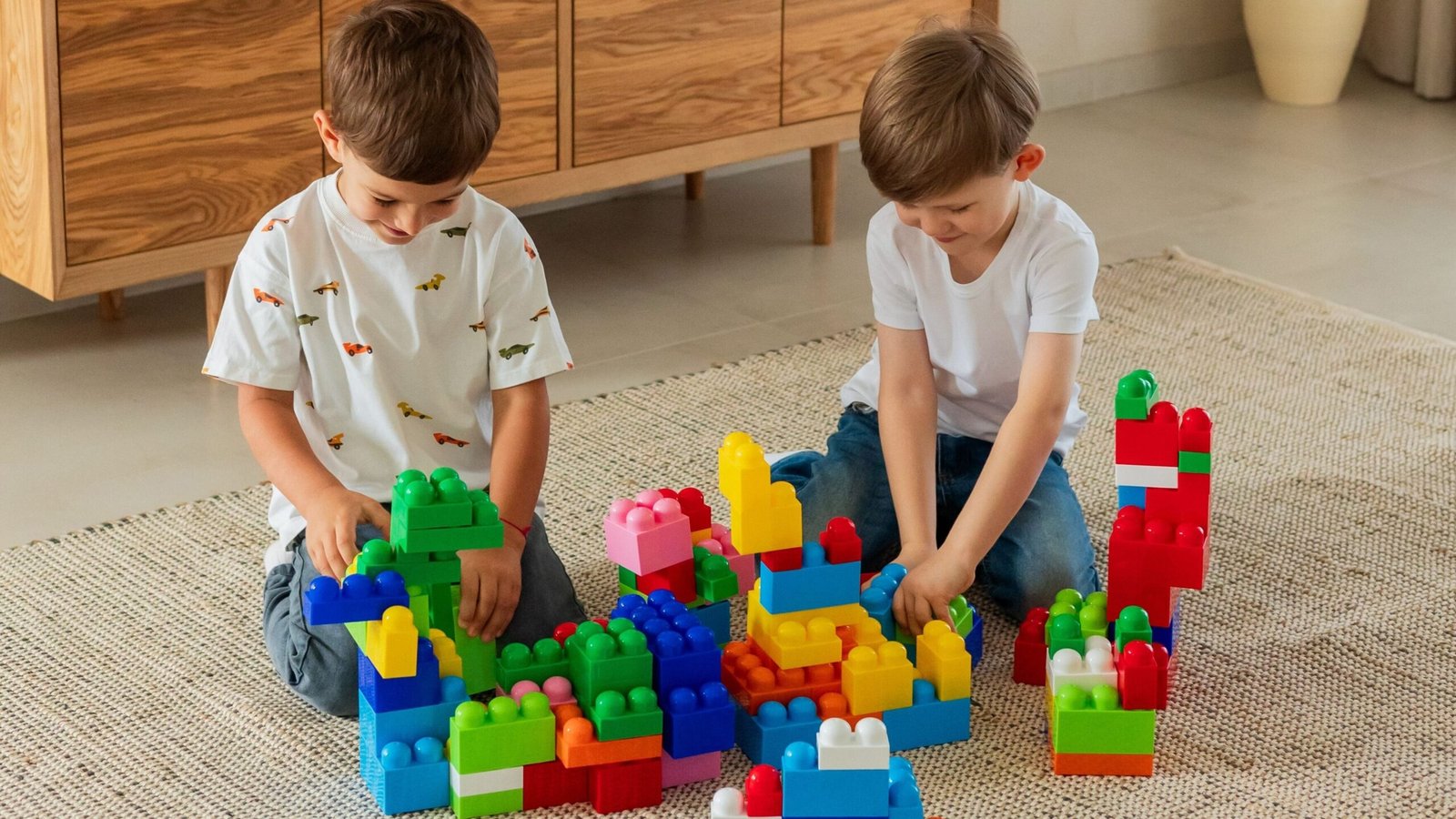
1. Building Blocks for Creativity and Problem-Solving
Building blocks remain one of the best educational toys for 3–5 year olds because they encourage open-ended play. Children can build towers, houses, bridges, and countless imaginative creations. Best for children who enjoy open-ended building, imaginative play, and solving simple construction challenges.
Benefits:
- Develops creativity
- Improves spatial awareness
- Encourages problem-solving
- Strengthens fine motor skills
Building blocks can also be incorporated into indoor activities for preschoolers, making rainy days more engaging while encouraging creativity and problem-solving.
2. Magnetic Tiles for Early STEM Learning
Magnetic tiles are among the most popular educational toys for preschoolers because they combine creativity with early STEM learning. Children can build houses, towers, bridges, and other structures while learning about shapes, balance, and spatial relationships. These toys encourage open-ended play and help develop problem-solving skills in a fun and engaging way.
Benefits:
- Encourages STEM learning
- Develops critical thinking
- Improves hand-eye coordination
- Supports creativity
3. Wooden Puzzles for Cognitive Development
Puzzles challenge children to recognize patterns and solve problems independently.
Benefits:
- Builds concentration
- Enhances memory
- Improves shape recognition
- Encourages patience
4. Alphabet Learning Toys for Early Reading Skills
Alphabet toys introduce letters, sounds, and word recognition through play.
Benefits:
- Supports early literacy
- Improves letter recognition
- Builds vocabulary
- Encourages language development
Parents often combine alphabet toys with activity books for preschoolers to reinforce letter recognition, early writing, and vocabulary through fun hands-on practice. For additional reading and writing practice, many parents also use activity books for preschoolers alongside alphabet toys to reinforce early literacy skills in a fun and engaging way.
5. Number and Counting Toys for Early Math Skills
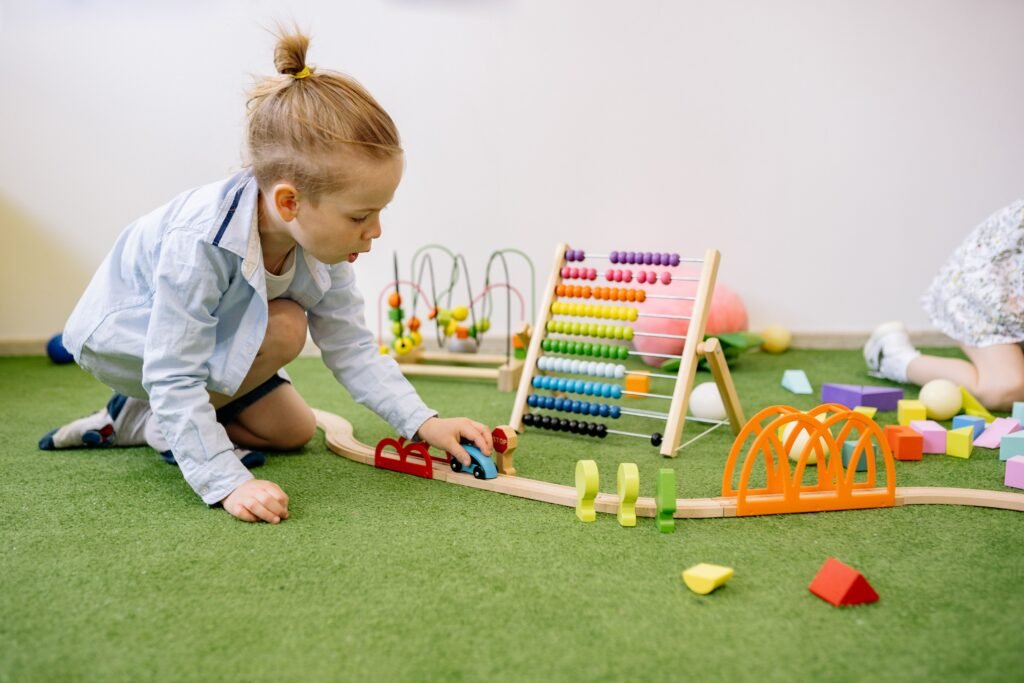
Counting bears, number puzzles, and math manipulatives make learning numbers enjoyable.
Benefits:
- Introduces counting concepts
- Develops number recognition
- Encourages logical thinking
- Supports school readiness
6. Play Dough Sets for Fine Motor Development
Play dough remains one of the most versatile educational toys available.
Benefits:
- Strengthens hand muscles
- Improves coordination
- Encourages creativity
- Supports sensory play
7. Pretend Play Kitchen Sets for Social Development
Kitchen sets inspire role-playing and imaginative storytelling.
Benefits:
- Encourages communication
- Develops social skills
- Supports creativity
- Teaches everyday concepts
8. Shape Sorters for Logic and Recognition Skills
Shape sorters help preschoolers identify patterns and relationships between objects.
Benefits:
- Improves problem-solving
- Builds shape recognition
- Develops hand-eye coordination
- Encourages independent learning
9. Art and Craft Kits for Creative Expression
Arts and crafts provide opportunities for self-expression and imagination.
Benefits:
- Encourages creativity
- Improves fine motor skills
- Builds confidence
- Supports emotional development
10. STEM Construction Toys for Future Learning
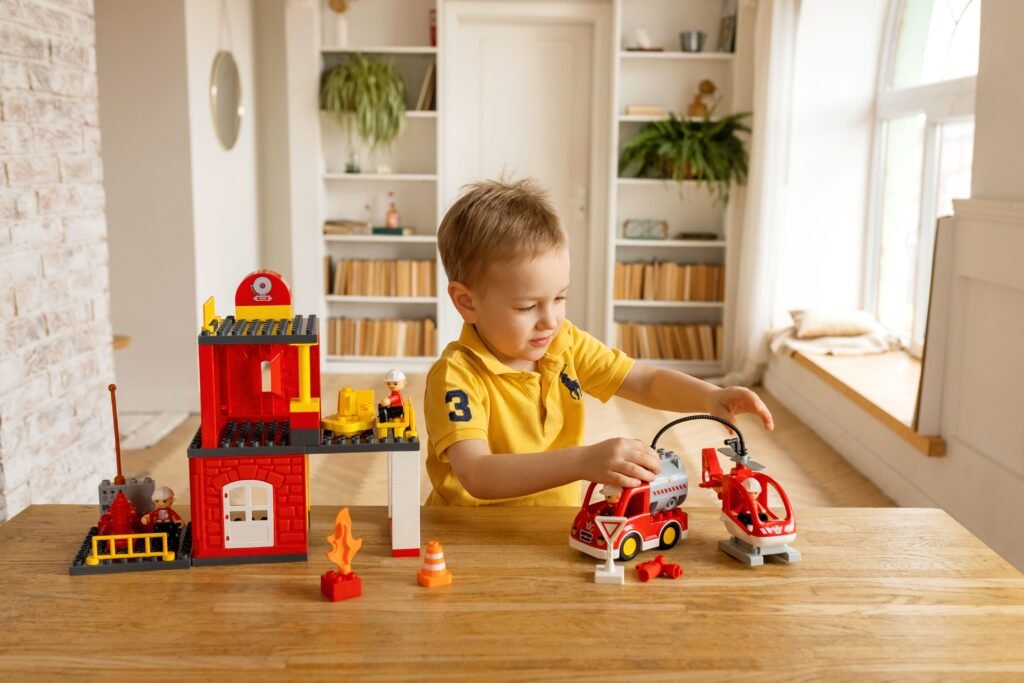
Simple STEM toys introduce engineering and science concepts through hands-on building activities.
Benefits:
- Develops critical thinking
- Encourages experimentation
- Supports problem-solving
- Builds persistence
11. Matching and Memory Games for Brain Development
Matching games help children strengthen memory and concentration.
Benefits:
- Improves focus
- Builds visual recognition
- Develops cognitive skills
- Encourages patience
12. Musical Instruments for Sensory Learning
Toy drums, keyboards, and xylophones introduce children to rhythm and sound.
Benefits:
- Encourages creativity
- Supports listening skills
- Improves coordination
- Builds confidence
13. Science Exploration Kits for Curious Minds
Simple science kits introduce observation and experimentation.
Benefits:
- Encourages curiosity
- Supports STEM learning
- Develops observation skills
- Promotes discovery
14. Balance and Coordination Toys for Physical Development
Balance boards and stepping stones help children stay active while learning movement skills.
Benefits:
- Improves balance
- Builds coordination
- Encourages physical activity
- Supports confidence
15. Educational Board Games for Family Learning
Educational board games help children learn important social and cognitive skills.
Benefits:
- Encourages turn-taking
- Builds problem-solving abilities
- Supports communication
- Promotes family interaction
Best Educational Toys for 3–5 Year Olds Comparison Table
Try to choose toys that can be used in more than one way. Open-ended toys often grow with your child, encouraging new ideas and different types of play as their skills and interests develop over time.
⭐ Our Top Educational Toy Picks ⭐
🥇 Best Overall
HAPTIME Design and Drill Toy
Perfect for hands-on STEM learning, creativity, and fine motor development.
🥈 Best Budget Pick
The Learning Journey: Match It! – ABCs
Affordable and ideal for building early literacy through self-correcting puzzles.
🥉 Best Screen-Free Creative Toy
Crayola Color Wonder Mess Free Coloring Activity Set
Mess-free creativity that encourages imagination and keeps little hands busy anywhere.
How the Best Educational Toys for 3–5 Year Olds Help in Preschool Development
Educational toys do much more than entertain children. They help develop essential skills needed for future academic success and everyday life.
Cognitive Development
Learning toys encourage problem-solving, memory, and critical thinking skills. Many of the skills developed through educational toys align with the developmental milestones identified by the CDC developmental milestones program, including problem-solving, communication, movement, and social interaction.
Fine Motor Development
Activities involving grasping, sorting, stacking, and building strengthen small hand muscles.
Creativity and Imagination
Open-ended toys inspire children to create, experiment, and tell stories. According to PBS Parents, play-based learning helps children build creativity, confidence, critical thinking, and independent learning skills during their preschool years.
Social and Emotional Growth
Pretend play and cooperative games help children learn communication and empathy.
According to the CDC developmental milestones, play-based learning supports many important developmental skills during the preschool years.
How to Choose the Best Educational Toys for 3–5 Year Olds
Choosing the best educational toys for 3–5 year olds isn’t just about buying the most popular toy on the shelf. The right toy should match your child’s age, interests, and developmental stage while encouraging learning through play.
When selecting educational toys, look for options that promote open-ended play. Toys such as building blocks, magnetic tiles, and art supplies allow children to use their imagination and create something new every time they play. These types of toys often provide more long-term value than toys with only one specific function.
Safety should also be a top priority. Always choose age-appropriate toys made from durable, non-toxic materials. Check for small parts that may not be suitable for younger children and ensure the toy meets recommended safety standards.
It’s also helpful to consider which skills a toy supports. Some educational toys focus on early literacy and language development, while others encourage math skills, creativity, fine motor development, problem-solving, or social interaction. A balanced collection of toys can help children develop a wide range of abilities.
Finally, remember that expensive toys are not always better. Many of the best educational toys for 3–5 year olds are simple, versatile, and encourage active participation. Toys that inspire children to explore, experiment, and think independently often provide the greatest educational benefits while keeping playtime fun and engaging.
Frequently Asked Questions
What are the best educational toys for 3–5 year olds?
The best educational toys for 3–5 year olds include building blocks, magnetic tiles, puzzles, alphabet toys, counting toys, STEM kits, pretend play sets, and educational board games. These toys support learning while keeping children engaged through play.
How do educational toys help preschoolers learn?
Educational toys help preschoolers learn by encouraging exploration, creativity, problem-solving, communication, and motor skill development. Children learn best through hands-on experiences, making educational toys valuable learning tools.
Are STEM toys good for preschoolers?
Yes. STEM toys introduce basic science, technology, engineering, and math concepts through play. They help children develop critical thinking, creativity, and problem-solving skills from an early age.
What educational toys improve fine motor skills?
Play dough, puzzles, building blocks, shape sorters, lacing toys, and arts and crafts kits are excellent for strengthening fine motor skills and hand-eye coordination.
How many educational toys should a preschooler have?
Quality is more important than quantity. A small collection of versatile educational toys often provides more learning opportunities than a large number of toys that are rarely used.
What educational toys make the best gifts?
Building sets, magnetic tiles, STEM kits, pretend play toys, puzzles, and creative art kits make excellent educational gifts because they combine fun with meaningful learning opportunities.
Final Thoughts
The best educational toys for 3–5 year olds inspire curiosity, creativity, and confidence while making learning enjoyable. Whether your child loves building, creating, counting, experimenting, or pretending, the right educational toys can support important developmental milestones and encourage a lifelong love of learning.
Remember that children learn best through play. By choosing toys that promote exploration, problem-solving, communication, and creativity, parents can turn everyday playtime into valuable learning opportunities. Remember that the best educational toy is the one your child enjoys returning to again and again. Toys that encourage curiosity, creativity, and independent exploration often provide far greater long-term value than toys that only entertain for a short time.
When combined with screen-free activities, books, and hands-on experiences, educational toys can help preschoolers build the skills they need for future success.
Related Preschool Learning Resources
Looking for more ways to support your preschooler’s learning and development? Explore our collection of expert guides featuring indoor and outdoor activities, educational toys, STEM projects, sensory play, fine and gross motor activities, kindergarten readiness tips, screen-free ideas, and the best activity books for preschoolers. These practical resources are designed to make learning fun, engaging, and meaningful every day.
- Best Activity Books for Preschoolers
- Indoor Activities for Preschoolers on Rainy Days
- Screen-Free Activities for Kids Ages 3–5
- STEM Activities for Preschoolers
- Fine Motor Activities for Preschoolers
- Gross Motor Activities for Preschoolers
- Kindergarten Readiness Activities
- Sensory Activities for Preschoolers
- Outdoor Activities for Preschoolers
Pingback: Screen Free Activities for Kids: 25 Fun Ideas for Ages 3–5
Pingback: Best Activity Books for Preschoolers: 15 Fun Learning Picks for Ages 3–5
Pingback: 25 Best Indoor Activities for Preschoolers on Rainy Days (Fun & Educational)
Pingback: 25 Fine Motor Activities for Preschoolers to Build Strong Hand Skills
Pingback: 25 Best Gross Motor Activities for Preschoolers to Build Strength and Coordination