
Table of Contents
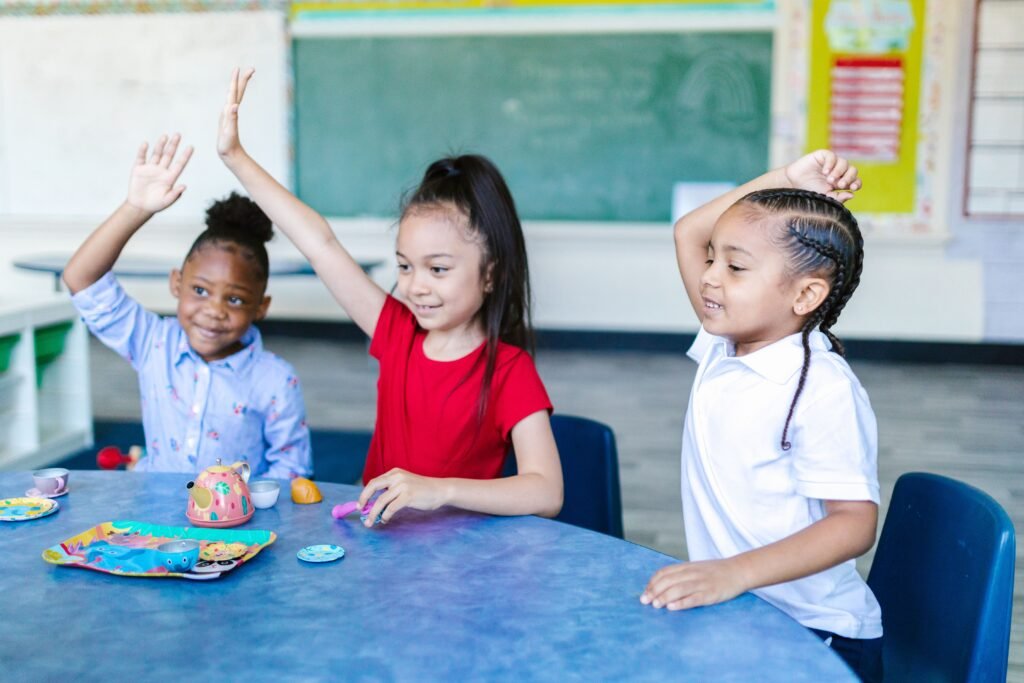
Starting kindergarten is an exciting milestone for both children and parents. While many people believe kindergarten readiness is simply about knowing the alphabet or counting to ten, today’s educators understand that preparing for school involves much more than academic skills. Children who are ready for kindergarten are confident, curious, independent, and able to communicate, solve simple problems, and participate in group learning.
Kindergarten readiness activities help preschoolers develop the essential skills they need to succeed both inside and outside the classroom. Through play-based learning, children strengthen their language abilities, early math concepts, fine and gross motor skills, emotional regulation, and independence. These experiences build confidence and make the transition to school smoother and less stressful.
The good news is that preparing your child for kindergarten doesn’t require expensive classes or complicated lessons. Many of the most effective kindergarten readiness activities use simple household materials and encourage children to learn naturally through exploration and play.
If you’re already encouraging screen-free activities for kids ages 3–5, you’re helping your child build many of the same skills that support kindergarten success, including creativity, communication, and problem-solving.
In this guide, you’ll discover 25 engaging kindergarten readiness activities that help preschoolers develop literacy, math, social, emotional, and life skills while making learning enjoyable every day.
These kindergarten readiness activities are designed to be simple, engaging, and easy to adapt at home, helping preschoolers build the confidence and skills they need before starting school.
Why Kindergarten Readiness Activities Matter
Kindergarten readiness is about helping children feel prepared, confident, and excited about starting school. Children who develop these skills early often adjust more easily to classroom routines and are better able to participate in learning activities.
Kindergarten readiness activities help children develop:
- Early reading and communication skills
- Number recognition and problem-solving abilities
- Fine motor skills needed for writing
- Gross motor skills for physical confidence
- Social and emotional development
- Independence in everyday tasks
- Listening and attention skills
- Curiosity and a love of learning
Rather than focusing on memorization, these activities encourage children to explore, ask questions, and learn through meaningful experiences. The goal of these kindergarten readiness activities is not to rush learning but to give children enjoyable opportunities to practice important developmental skills through everyday play.
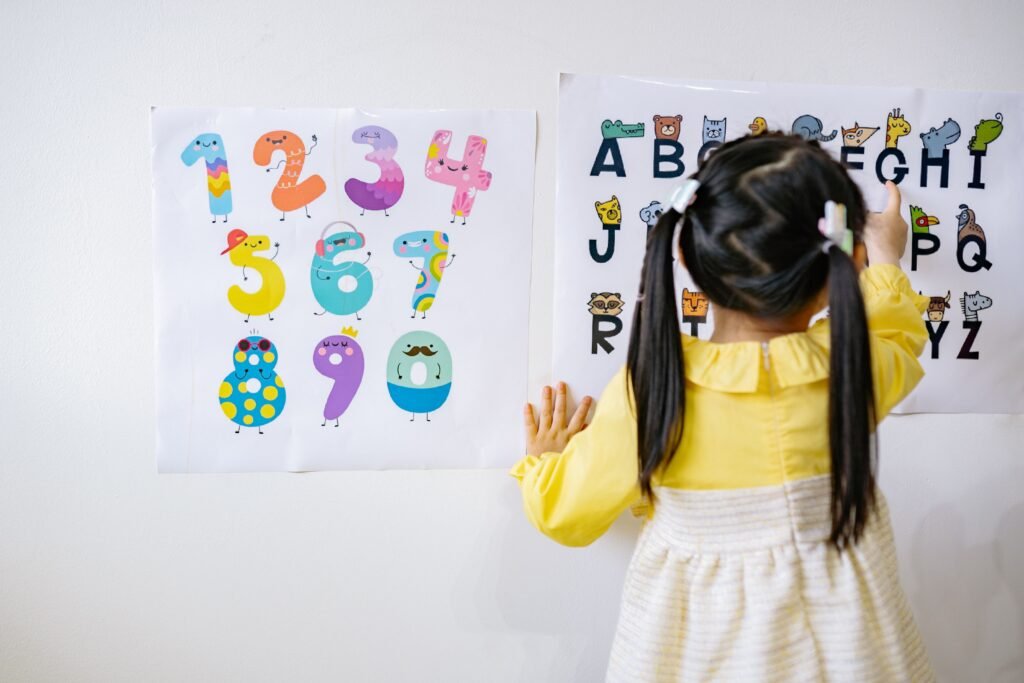
Literacy & Language Activities
1. Alphabet Treasure Hunt
What You’ll Need
- Alphabet cards or magnetic letters
- Small basket
- Household objects
How to Play
Hide alphabet letters around the room and ask your child to find them one by one. After finding each letter, encourage them to name it, say its sound, and think of an object that begins with that letter. For example, after finding the letter “B,” they might say “ball,” “bird,” or “book.”
You can make the activity more exciting by turning it into a timed treasure hunt or asking children to collect letters in alphabetical order.
Why This Activity Helps
Children learn letters more effectively when they interact with them through movement and play rather than simply memorizing flashcards. This activity improves letter recognition, vocabulary, memory, and listening skills while keeping learning enjoyable.
Skills Developed
- Letter recognition
- Phonics awareness
- Vocabulary
- Observation
- Memory
2. Picture Storytelling
What You’ll Need
- Picture books
- Family photographs
- Story cards
How to Play
Choose a picture and encourage your child to describe what they see. Ask open-ended questions such as:
- What do you think is happening?
- What might happen next?
- How is the character feeling?
Allow children to create their own stories without worrying about perfect answers.
Why This Activity Helps
Storytelling strengthens language development, imagination, communication, and sequencing skills. These abilities help children understand classroom instructions and become more confident speakers.
Skills Developed
- Speaking
- Listening
- Creativity
- Communication
- Sequencing
3. Rhyming Word Game
What You’ll Need
- Picture cards (optional)
How to Play
Say a simple word such as “cat” and ask your child to think of words that rhyme with it. Continue with familiar words like:
- Dog
- Sun
- Ball
- Tree
Make the activity playful by clapping for each correct rhyme.
Why This Activity Helps
Rhyming develops phonological awareness, one of the strongest early reading skills. Children begin recognizing sound patterns that later support reading and spelling.
Skills Developed
- Phonemic awareness
- Listening
- Vocabulary
- Memory
- Reading readiness
4. Name Recognition Practice
What You’ll Need
- Paper
- Marker
- Magnetic letters
How to Play
Write your child’s name in large letters and encourage them to trace it with their finger before copying it independently. You can also build the name using magnetic letters or letter blocks.
As confidence grows, introduce the names of family members and friends.
Why This Activity Helps
Recognizing and writing their own name is one of the earliest literacy milestones. It builds confidence and introduces children to letters in a meaningful and personal way.
Skills Developed
- Letter recognition
- Pencil control
- Name writing
- Memory
- Confidence
5. Read-Aloud Together
What You’ll Need
- Age-appropriate storybooks
Parents looking for more reading practice can also explore our guide to Best Activity Books for Preschoolers, which includes engaging books that reinforce early literacy through fun and interactive learning.
How to Play
Read aloud every day and pause throughout the story to ask questions, predict what will happen next, and discuss characters’ feelings. Encourage your child to point to pictures, repeat simple words, and describe what they see.
Why This Activity Helps
Daily reading improves vocabulary, listening comprehension, imagination, and attention span. Children also learn how books work, including reading from left to right and turning pages in order.
Skills Developed
- Vocabulary
- Listening comprehension
- Reading readiness
- Concentration
- Imagination
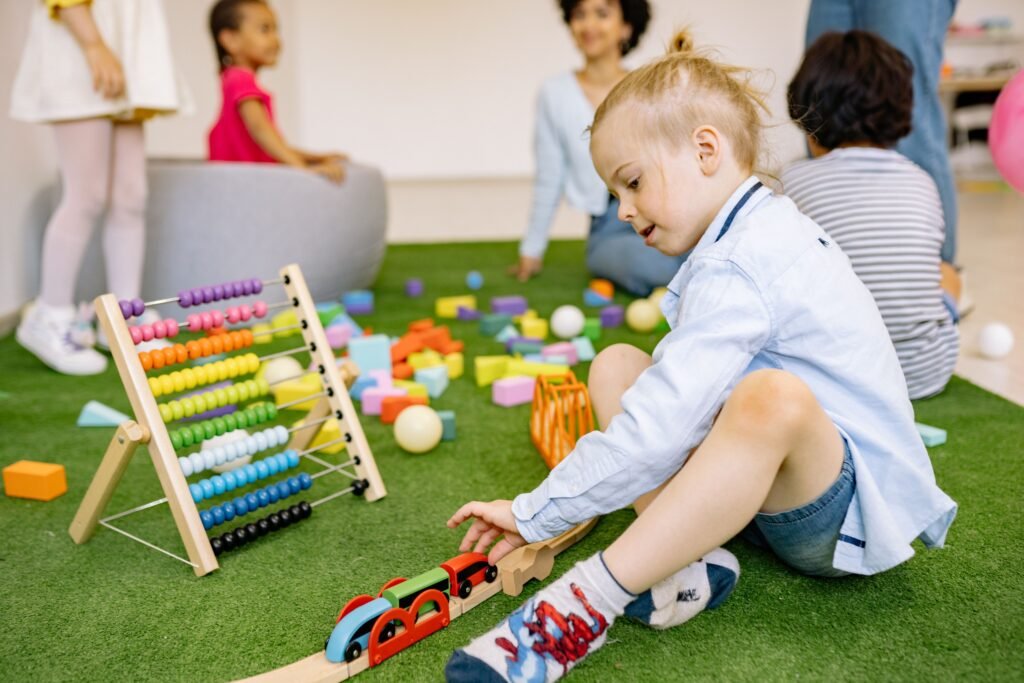
Early Math & Thinking Activities
6. Counting Nature Walk
What You’ll Need
- Small basket
- Outdoor space
How to Play
Go for a walk and ask your child to collect or count objects they find, such as leaves, flowers, stones, or sticks. You can also ask questions like:
- Can you find five leaves?
- Which pile has more stones?
- Can you count backwards from ten?
Why This Activity Helps
Children naturally develop number recognition and counting skills while exploring the world around them. It also encourages observation and curiosity.
Skills Developed
- Counting
- Observation
- Number recognition
- Problem-solving
- Concentration
7. Shape Hunt Around the House
What You’ll Need
- None
How to Play
Ask children to search for circles, squares, rectangles, triangles, and other shapes around the house. Encourage them to explain why each object matches a particular shape.
Why This Activity Helps
Recognizing shapes supports geometry, visual discrimination, and problem-solving. It also helps children notice patterns in everyday life.
Skills Developed
- Shape recognition
- Observation
- Critical thinking
- Vocabulary
8. Sorting Station
What You’ll Need
- Buttons
- Blocks
- Toys
- Bowls
How to Play
Invite your child to sort objects by color, size, shape, texture, or type. Once finished, ask questions about which group has the most or the least items.
Why This Activity Helps
Sorting builds logical thinking, classification skills, and early mathematical reasoning while encouraging children to compare and organize information.
Skills Developed
- Logical thinking
- Classification
- Counting
- Comparison
- Problem-solving
9. Pattern Building Challenge
What You’ll Need
- Colored blocks
- Beads
- Buttons
How to Play
Create simple patterns such as:
Red – Blue – Red – Blue
Ask your child to continue the sequence before introducing more challenging patterns.
Why This Activity Helps
Pattern recognition is an important foundation for mathematics because it teaches children to recognize relationships, sequences, and predictions.
Skills Developed
- Pattern recognition
- Memory
- Logical reasoning
- Attention to detail
10. Measuring with Everyday Objects
What You’ll Need
- Building blocks
- Paper clips
- Toy cars
How to Play
Instead of using rulers, measure objects with everyday items.
For example:
- How many blocks long is the table?
- How many paper clips measure your book?
- Which toy is longer?
This activity encourages children to estimate, compare, and describe size using simple language.
Why This Activity Helps
Children begin understanding measurement, comparison, estimation, and mathematical vocabulary through meaningful play rather than formal lessons.
Skills Developed
- Measuring
- Comparing
- Estimation
- Critical thinking
- Problem-solving
By combining literacy and early math experiences, these kindergarten readiness activities help children become more confident learners while encouraging curiosity and independent thinking.
Fine Motor & Pre-Writing Activities
11. Tracing Lines and Shapes
What You’ll Need
- Printable tracing worksheets
- Pencil or crayon
- Dry-erase board (optional)
How to Do the Activity
Begin with simple straight, curved, zigzag, and wavy lines before introducing basic shapes like circles, squares, and triangles. Encourage your child to trace slowly rather than rushing. As they become more confident, ask them to draw the same shapes independently.
You can also make this activity more engaging by creating roads for toy cars or tracing paths for animals to “find their homes.”
Why This Activity Helps
Tracing develops pencil control, hand-eye coordination, and muscle memory. These skills prepare children for writing letters and numbers while improving concentration and patience.
Parents looking for additional hand-strengthening exercises can also explore our guide on Fine Motor Activities for Preschoolers, which includes playful activities that support early writing development.
Skills Developed
- Pencil grip
- Hand-eye coordination
- Pre-writing skills
- Concentration
- Fine motor control
12. Scissor Cutting Practice
What You’ll Need
- Child-safe scissors
- Construction paper
- Printed cutting strips
How to Do the Activity
Start by allowing children to cut straight lines before introducing curves, zigzags, and simple shapes. Once they become comfortable, encourage them to create simple crafts using the pieces they cut.
Always supervise young children and praise effort rather than perfection.
Why This Activity Helps
Scissor practice strengthens hand muscles while teaching children how to coordinate both hands together. These skills are important for classroom projects and everyday independence.
Skills Developed
- Bilateral coordination
- Hand strength
- Precision
- Confidence
- Creativity
13. Play Dough Letter Building
What You’ll Need
- Play dough
- Alphabet cards
How to Do the Activity
Ask children to roll play dough into long “snakes” and shape them into alphabet letters or numbers. You can begin with the letters in your child’s name before introducing the rest of the alphabet.
Encourage children to say each letter aloud as they build it.
Why This Activity Helps
Building letters with play dough combines sensory learning with early literacy. Children strengthen their fingers while becoming familiar with letter shapes, making future handwriting much easier.
Skills Developed
- Letter recognition
- Finger strength
- Creativity
- Fine motor skills
- Early literacy
14. Name Writing Station
What You’ll Need
- Whiteboard
- Marker
- Name cards
How to Do the Activity
Write your child’s name in large print and encourage them to trace over it several times. Gradually reduce the tracing guides until they can write their name independently.
Celebrate progress rather than expecting perfect handwriting.
Why This Activity Helps
Learning to recognize and write their own name is often one of the first writing skills children use in kindergarten. It builds confidence while strengthening pencil control and letter recognition.
Skills Developed
- Name recognition
- Writing readiness
- Pencil control
- Confidence
- Memory
15. Sticker Pattern Challenge
What You’ll Need
- Colorful stickers
- Blank paper
How to Do the Activity
Create simple patterns using stickers, such as:
Red – Blue – Red – Blue
Ask children to continue the pattern independently. As they improve, introduce more challenging sequences using different shapes and colors.
Why This Activity Helps
Peeling and placing stickers strengthens finger muscles while introducing mathematical concepts such as sequencing and pattern recognition.
Skills Developed
- Finger strength
- Pattern recognition
- Concentration
- Logical thinking
- Creativity
Social & Emotional Kindergarten Readiness Activities
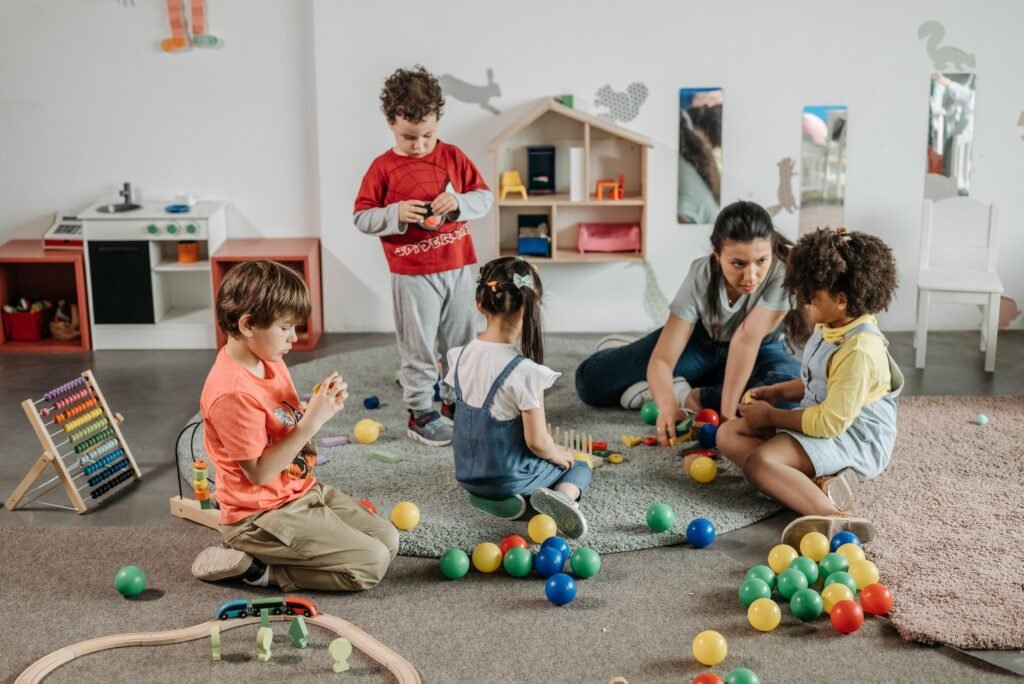
Social development is an essential part of kindergarten readiness activities because children learn to communicate, cooperate, solve problems, and build positive relationships with others. One of the biggest misconceptions about kindergarten readiness is that children only need academic skills. In reality, teachers consistently say that social and emotional development plays an equally important role. Children who can communicate, cooperate, solve simple problems, and manage emotions often adjust more easily to classroom routines.
16. Taking Turns Game
What You’ll Need
- Board game
- Building blocks
- Ball
How to Do the Activity
Choose a simple game that requires players to wait for their turn. Encourage your child to watch others play, wait patiently, and congratulate others regardless of who wins.
Model positive language such as:
“Your turn.”
“My turn.”
“Good job.”
“Let’s try again.”
Why This Activity Helps
Kindergarten classrooms involve constant turn-taking. Learning patience and respect for others helps children participate confidently in group activities.
Skills Developed
- Patience
- Social awareness
- Communication
- Emotional regulation
- Cooperation
17. Emotion Matching Game
What You’ll Need
- Emotion flashcards
- Family photos
- Printed emoji faces
How to Do the Activity
Show children different facial expressions and ask questions such as:
“Who looks happy?”
“Who feels worried?”
“What would you do if your friend felt sad?”
Encourage children to talk about situations that make them experience different emotions.
Why This Activity Helps
Understanding emotions helps children build empathy, communicate feelings appropriately, and solve social challenges in the classroom.
Skills Developed
- Emotional awareness
- Communication
- Empathy
- Vocabulary
- Self-expression
18. Pretend Classroom
What You’ll Need
- Small table
- Books
- Paper
- Stuffed animals
How to Do the Activity
Create a pretend classroom where your child becomes the student while you play the teacher. Practice common classroom routines such as:
- Raising a hand
- Sitting quietly
- Following directions
- Lining up
- Cleaning up
Switch roles so your child can become the teacher as well.
Why This Activity Helps
Role-playing reduces anxiety by helping children become familiar with classroom expectations before their first day of school.
Skills Developed
- Listening
- Following directions
- Confidence
- Social skills
- Independence
19. Two-Step Direction Challenge
What You’ll Need
- Household objects
How to Do the Activity
Give children simple two-step instructions such as:
“Pick up the teddy bear and place it on the chair.”
“Clap your hands twice and then touch your nose.”
Gradually increase the difficulty as your child improves.
Why This Activity Helps
Teachers often give multiple instructions throughout the day. Practicing this skill improves listening, attention, and memory.
Skills Developed
- Listening
- Memory
- Concentration
- Problem-solving
- Communication
20. Sharing Basket Activity
What You’ll Need
- Toys
- Blocks
- Art supplies
How to Do the Activity
Place several favorite toys in a basket and encourage children to play together while sharing materials. Discuss why sharing helps everyone enjoy the activity and praise cooperative behavior.
Why This Activity Helps
Sharing teaches children to work with others, resolve conflicts peacefully, and build friendships—important skills for a successful kindergarten experience.
Skills Developed
- Cooperation
- Friendship
- Emotional regulation
- Communication
- Social confidence
Independence & Life Skills Activities
One of the biggest changes in kindergarten readiness today is the emphasis on independence. Teachers consistently say that children who can manage simple daily tasks often settle into school routines more quickly because they feel capable and confident.
21. Backpack Packing Challenge
What You’ll Need
- Child-sized backpack
- Lunch box
- Water bottle
- Notebook
- Pencil case
How to Do the Activity
Set up a pretend “school morning” and ask your child to pack everything they need for the day. Begin by showing them the correct order, then encourage them to do it independently. You can turn this into a memory game by asking, “What do we need for school today?” instead of giving direct instructions.
Why This Activity Helps
Packing a backpack teaches responsibility, organization, and memory. It also helps children become familiar with school routines before their first day, reducing anxiety and encouraging independence.
Skills Developed
- Organization
- Responsibility
- Memory
- Independence
- Problem-solving
22. Opening Lunch Containers
What You’ll Need
- Lunch box
- Snack containers
- Water bottle
How to Do the Activity
Many children struggle to open lunch containers independently at school. Practice opening and closing different containers at home while encouraging your child to do it without assistance.
Gradually introduce lunch boxes with zippers, reusable containers, and water bottles similar to those they’ll use in kindergarten.
Why This Activity Helps
Children who can manage lunchtime independently spend more time eating and less time waiting for help from teachers.
Skills Developed
- Hand strength
- Fine motor control
- Independence
- Confidence
23. Cleaning Up After Play
What You’ll Need
- Toy baskets
- Storage bins
- Labels
How to Do the Activity
After each activity, encourage your child to return toys to their correct places. Use picture labels for younger children to make sorting easier.
Turn cleanup into a fun game by using a timer or playing upbeat music while they tidy up.
Why This Activity Helps
Cleaning up teaches responsibility and organization while helping children understand classroom expectations where everyone contributes to keeping the learning environment tidy.
Skills Developed
- Responsibility
- Organization
- Following directions
- Independence
- Self-discipline
24. Handwashing Routine
What You’ll Need
- Soap
- Sink
- Small towel
How to Do the Activity
Teach children the proper handwashing routine:
- Wet hands
- Apply soap
- Scrub for at least 20 seconds
- Rinse thoroughly
- Dry completely
You can sing a short song while washing hands to help children understand how long they should scrub.
Why This Activity Helps
Good hygiene keeps children healthy while teaching personal responsibility. It also prepares them for daily classroom routines.
Skills Developed
- Self-care
- Independence
- Responsibility
- Healthy habits
25. Following a Daily Routine
What You’ll Need
- Visual schedule
- Picture cards
How to Do the Activity
Create a simple daily routine using pictures.
For example:
Morning
- Wake up
- Brush teeth
- Eat breakfast
- Get dressed
- Pack backpack
Evening
- Dinner
- Bath
- Story time
- Bedtime
Encourage your child to move each picture after completing the task.
Why This Activity Helps
Predictable routines help children understand expectations, improve time management, and reduce anxiety when transitioning to kindergarten.
Skills Developed
- Independence
- Time management
- Responsibility
- Self-confidence
- Organization
Our Top Kindergarten Readiness Resources
We’ve carefully selected these kindergarten readiness resources based on educational value, age suitability, parent reviews, and overall learning benefits to help your child build the skills needed for a confident start to school. If you’re looking for the best kindergarten learning resources, here are a few of our favorite workbooks, educational toys, and learning tools below to help you choose the right one.
⭐ Editor’s Top 3 Picks ⭐
These three resources stand out for their educational value, ease of use, and ability to build multiple kindergarten-ready skills through fun, hands-on learning.
🥇 Best Overall
School Zone Get Ready for Kindergarten Workbook
If you’re looking for one comprehensive resource to prepare your child for kindergarten, this workbook is our top recommendation. It combines letter recognition, early reading, handwriting, counting, shapes, colors, and problem-solving activities into one well-structured program. The lessons are age-appropriate, engaging, and designed to build confidence before children enter the classroom.
🥈 Best Hands-on Learning Resource
Learning Resources Jumbo Magnetic Uppercase Letters
These colorful magnetic letters make learning the alphabet interactive and enjoyable. Children can practice letter recognition, simple spelling, phonics, and word-building while playing on any magnetic surface. It’s an excellent screen-free learning tool that grows with your child.
🥉 Best for Fine Motor Development
Learning Resources Helping Hands Fine Motor Tool Set
Strong fine motor skills make writing much easier when children start school. This engaging set strengthens hand muscles through fun activities using tweezers, scoops, and tongs while also encouraging sorting, counting, and problem-solving. It’s a valuable resource for preparing little hands for pencil control.
Signs Your Child Is Ready for Kindergarten
Every child develops at their own pace, but many preschoolers are ready for kindergarten when they can:
✔ Follow simple two-step directions
✔ Recognize some letters and numbers
✔ Hold a pencil comfortably
✔ Use the toilet independently
✔ Express their needs clearly
✔ Play and share with other children
✔ Sit and focus on an activity for 10–15 minutes
Remember, children don’t need to master every skill before starting school. Confidence, curiosity, and a willingness to learn matter just as much.
Benefits of Kindergarten Readiness Activities
Preparing for kindergarten is about much more than learning letters and numbers. Children benefit from opportunities to develop confidence, independence, communication, and problem-solving skills through everyday experiences.
Builds Academic Confidence
Activities that introduce early literacy and math concepts help children feel comfortable participating in classroom learning. Instead of memorizing information, children learn how to explore, ask questions, and think independently.
Reading Rockets’ kindergarten readiness tips emphasize that reading together, talking about stories, recognizing letters, and encouraging language-rich conversations help children build the literacy foundation needed for future reading success.
Encourages Independence
Practicing self-care tasks such as dressing, cleaning up, and organizing personal belongings helps children become more self-reliant and confident in new environments.
Understood.org school readiness resources explain that children thrive when they develop independence, communication skills, emotional regulation, and confidence before entering kindergarten.
Strengthens Communication Skills
Reading stories, discussing emotions, and participating in conversations help children express their ideas clearly while improving listening skills.
Supports Social Development
Sharing, cooperating, taking turns, and following directions prepare children to work successfully with classmates and teachers.
Research from the Harvard Center on the Developing Child highlights that early relationships, play, and responsive learning experiences build the executive functioning and self-regulation skills children rely on throughout school.
Develops Fine and Gross Motor Skills
Activities involving drawing, cutting, balancing, climbing, and movement strengthen the muscles children use every day. For more hands-on ideas, explore our guides on Fine Motor Activities for Preschoolers and Gross Motor Activities for Preschoolers, which provide additional activities to build coordination, strength, and confidence.
Every child develops at their own pace, so these kindergarten readiness activities should be adapted to match your preschooler’s interests, abilities, and confidence level.
Frequently Asked Questions
What are kindergarten readiness activities?
Kindergarten readiness activities are play-based learning experiences that help preschoolers develop the academic, social, emotional, physical, and independence skills needed for a successful start to school. Rather than focusing only on reading or counting, these activities prepare children to participate confidently in classroom routines and interact positively with teachers and classmates.
What skills should a child have before starting kindergarten?
Most children benefit from recognizing some letters and numbers, following simple directions, communicating their needs, sharing with others, holding a pencil correctly, using scissors safely, dressing independently, and managing basic self-care tasks. Every child develops at their own pace, so readiness is about overall development rather than mastering every skill.
How can I prepare my preschooler for kindergarten at home?
Parents can support kindergarten readiness by reading together every day, practicing counting and sorting, encouraging drawing and writing, providing opportunities for active play, developing independence through daily routines, and giving children plenty of time to explore, ask questions, and solve simple problems through play.
Are worksheets enough to prepare children for kindergarten?
No. While worksheets can reinforce learning, children learn best through hands-on experiences, conversations, imaginative play, movement, and real-life problem-solving. A balanced approach that combines structured learning with play-based activities helps children develop a wider range of kindergarten readiness skills.
How often should preschoolers practice kindergarten readiness activities?
Short, consistent practice sessions are more effective than long lessons. Around 15–30 minutes of focused learning each day, combined with plenty of free play, reading, and outdoor activities, provides meaningful opportunities for children to build skills without feeling overwhelmed.
What is the most important kindergarten readiness skill?
There isn’t a single most important skill. Successful kindergarten readiness combines communication, curiosity, emotional regulation, independence, early literacy, early math, and both fine and gross motor development. Children who feel confident, enjoy learning, and can adapt to new situations often transition to school more successfully.
Related Preschool Learning Resources
Looking for more ways to support your preschooler’s learning and development? Explore our collection of expert guides featuring indoor and outdoor activities, educational toys, STEM projects, sensory play, fine and gross motor activities, kindergarten readiness tips, screen-free ideas, and the best activity books for preschoolers. These practical resources are designed to make learning fun, engaging, and meaningful every day.
- Best Activity Books for Preschoolers
- Indoor Activities for Preschoolers on Rainy Days
- Best Educational Toys for 3–5 Year Olds
- STEM Activities for Preschoolers
- Fine Motor Activities for Preschoolers
- Gross Motor Activities for Preschoolers
- Screen-Free Activities for Kids Ages 3–5
- Sensory Activities for Preschoolers
- Outdoor Activities for Preschoolers
Final Thoughts
These kindergarten readiness activities provide a balanced approach to helping preschoolers build academic, social, emotional, physical, and independence skills before starting school. It’s about helping children become confident, curious, independent learners who are excited to explore new ideas and build positive relationships.
By practicing these kindergarten readiness activities regularly, parents can support every area of development—from literacy and math to emotional regulation, physical coordination, and everyday life skills. Small, consistent learning experiences at home create a strong foundation that helps children approach kindergarten with confidence and a lifelong love of learning.